
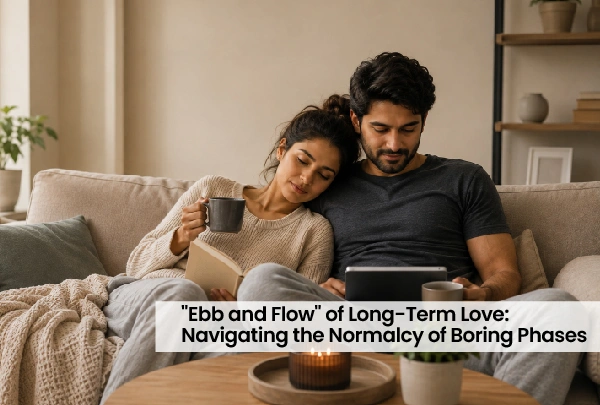
Love is often shown as an endless journey of excitement, romance, and unforgettable moments. Movies and social media make it seem like everything feels new and magical. Relationships in real life, however, are far more complicated. Every relationship experiences changes in emotions, energy, and connection over time. These natural shifts are known as the “ebb and flow” of relationships.
Rather than having the same emotional intensity forever, there are periods filled with routine, predictability, or even boredom. But these quieter moments do not necessarily indicate that love has disappeared. Instead, they can be an opportunity to rebuild connection, develop deeper understanding, and strengthen emotional bonds. Many couples seek support from a marriage counsellor in Delhi or a Relationship counsellor in Delhi NCR when they feel disconnected or uncertain about their relationship.
Concept of Ebb and Flow
The concept of ebb and flow refers to the natural rhythm of changes that occur in relationships, just like the highs and lows of ocean tides. The “flow” represents moments of happiness, emotional closeness, romance, and shared growth. The “ebb” is the quieter period of less excitement, experiencing conflicts, or becoming emotionally distant.
In the beginning stages of love, there is often the initial excitement of dating and intense emotional connection. Over time, a familiarity develops, responsibilities increase, and daily routines become more usual. The relationship starts shifting from constant excitement to stability and comfort. It is common to mistake this calm phase for a lack of love. Sometimes, comfort and familiarity are signs of a strong foundation.
Why Relationships Start to Feel Boring Over Time
Several factors contribute to boring phases in relationships. Recognizing these causes can help couples address concerns before they create emotional distance.
- Routine and Familiarity: Spending too much time together creates a predictable pattern. While routines provide stability, daily responsibilities, work schedules, and similar routines can make partners feel disconnected.
- Lack of Quality Time: Busy lifestyles can affect emotional connection. When couples stop prioritizing each other, loneliness and social isolation may gradually develop within the relationship.
- Unresolved Conflicts: Repeated disagreements, anger, and poor emotional control can create distance between partners. Unresolved couple conflicts tend to reduce affection and make interactions that increases stress than enjoyable.
- Personal Changes: Experiences such as identity changes, midlife crises, career issues, physical health concerns, or emotional struggles can influence how partners connect. Personal challenges like anxiety, depression, or low motivation can also impact relationship satisfaction.
- Lack of Appreciation: Over time, couples may stop expressing gratitude because they become too comfortable with each other. Small gestures, compliments, and acts of kindness often reduce, making the relationship feel repetitive and boring.
Effects of a Stagnant Relationship
If a relationship remains emotionally stagnant for a long time, it can affect both partners. Individuals may experience:
- Loneliness & frustration
- Low motivation
- Increased stress
- Create feelings of rejection or insecurity
- Avoiding conversations, leading to interpersonal problem patterns
- Problems like adultery and cheating can be exacerbated by dissatisfaction.
However, many relationship challenges can be addressed when couples recognize the problems early and actively work toward improvement.
How to Navigate Through the Boring Phases
Boring phases are actually growth opportunities when couples approach them with awareness and effort. There are ways to navigate through this phase of life:
- Communicate Openly: Honest conversations are essential for rebuilding connection. Both partners should be able to express their feelings without blame and listen with empathy. Couples should discuss difficult topics respectfully by learning assertiveness and emotional control.
- Create New Experiences Together: Trying new activities, planning dates, traveling, learning something together, or setting shared goals can bring back curiosity and excitement. New experiences help couples move beyond repetitive patterns.
- Prioritize Quality Time: Spending time together without distractions allows couples to reconnect emotionally. Just appreciating small moments and affection can strengthen a relationship.
- Focus on Personal Growth: A healthy relationship is one where both individuals continue to grow. Practices like mindfulness, self-improvement, goal setting, and resilience can help people become more emotionally balanced partners.
- Understand Each Other’s Changing Needs: Partners as individuals evolve throughout life. Changes related to career, identity crisis, midlife crisis, family responsibilities, or personal goals can influence relationships. Supporting each other through these transitions strengthens emotional security.
When To Seek Relationship Counseling
Relationship counseling can be helpful when couples feel stuck and are unable to resolve issues on their own. Seeking support is a proactive step towards improving understanding and communication. Couples may consider counseling when they experience:
- Frequent arguments or unresolved couple conflicts
- Emotional distance or lack of intimacy
- Trust issues after cheating & infidelity
- Difficulty adjusting to marriage responsibilities
- In-laws adjustment problem
- Repeated communication breakdowns
- Thoughts of separation or divorce
Those looking for professional guidance may explore services such as best couple counseling near me, best Relationship counselling in Delhi NCR, where relationship support is available for couples at different stages, whether they are struggling with challenges or simply want to strengthen their bond.
How Relationship Counseling Can Benefit Couples
Working with a trained professional can help partners to understand each other better by viewing each other’s perspectives, identifying unhealthy relationship patterns, and developing practical strategies for building a healthier partnership. Relationship counseling can help couples by:
- Improving communication and conflict resolution skills
- Rebuilding trust after misunderstandings
- Learning healthy ways to manage emotions and resolve disagreements
- Developing skills such as assertiveness, resilience, and emotion control
- Breaking unhealthy relationship patterns
- Creating a more solid basis for enduring relationship fulfillment
- Fostering mutual respect
Whether couples are going through a temporary phase of emotional distancing or facing more complex relationship challenges, professional guidance can help them reconnect and move forward together.
Conclusion
Every long-term relationship experiences moments of closeness as well as periods of being emotionally distant. These quiet phases are not the signs of love that have faded, but opportunities to pause, reconnect, and grow together. With the right support and effective communication, couples can transform these challenges into a stronger, more resilient partnership.
Recurring misunderstandings, emotional distance, or unresolved conflicts can begin to affect your relationship. Seeking professional guidance can make a meaningful change. At the Psychowellness Center, experienced psychologists are tailored to each couple’s unique needs. Expert support is available at our centers in Janakpuri and Dwarka, Sector-17 (011-47039812 / 7827208707). Healthy relationships are built through consistent effort, understanding, and a willingness to grow together. With patience, emotional awareness, and the right support, even quiet phases can become opportunities for creating a stronger and more meaningful relationship.
Contributions: Dr. R.K. Suri, Clinical Psychologist, and Ms. Vandana, Counselling Psychologist
FAQs
- Is boredom normal in long-term relationships?
Yes. Routine and reduced excitement are normal and do not necessarily mean love has faded.
- How can couples overcome boredom?
Spend quality time together, try new activities, plan dates, and express appreciation.
- Does emotional distance mean the relationship is failing?
Not always. Stress, unresolved conflicts, and changing needs can create temporary distance.
- When should couples seek relationship counseling?
When conflicts, communication problems, trust issues, or emotional distance persist.
- Can counseling improve a stagnant relationship?
Yes. It can improve communication, resolve conflicts, rebuild trust, and strengthen emotional connection.
References
Aron, A., Norman, C. C., Aron, E. N., McKenna, C., & Heyman, R. E. (2000). Couples’ shared participation in novel and arousing activities and experienced relationship quality. Journal of Personality and Social Psychology, 78(2), 273–284. https://doi.org/10.1037/0022-3514.78.2.273
Mikulincer, M., & Shaver, P. R. (2016). Attachment in adulthood: Structure, dynamics, and change (2nd ed.). Guilford Press.
https://www.psychowellnesscenter.com/Blog/communication-hacks-for-working-couples/
https://www.psychowellnesscenter.com/Blog/benefits-of-in-clinic-relationship-counselling-sessions/
https://www.psychowellnesscenter.com/Blog/creative-ways-to-repair-your-marital-bond/
https://www.psychowellnesscenter.com/Blog/building-trust-in-small-amount-for-lasting-relationships/