
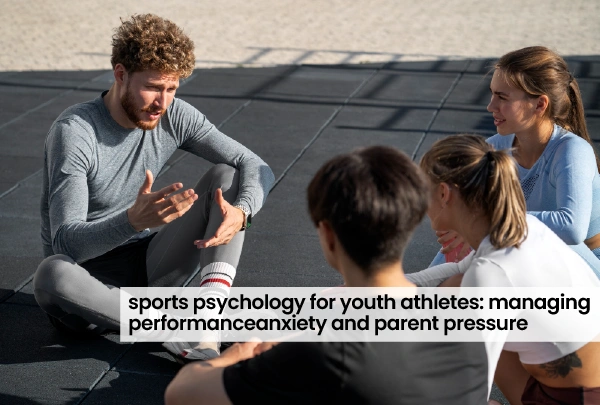
Youth sports contribute significantly to physical health, emotional development, discipline, confidence, and social connection. However, competitive environments can also create intense psychological demands. Young athletes may experience performance anxiety and parent pressure when expectations around winning, rankings, selection, or improvement become overwhelming. While healthy encouragement can motivate an athlete, excessive pressure may negatively affect emotional well-being and enjoyment of sport.
Understanding the mental and emotional elements that affect athletic performance is the main goal of sports psychology. For youth athletes, it can provide valuable support in developing not only performance but also emotional well-being, resilience, healthy relationships, and long-term development.
Understanding Performance Anxiety in Youth Athletes
Performance anxiety occurs when an athlete becomes excessively worried about performing well or meeting expectations. Some level of nervousness before competition is normal, but persistent anxiety can interfere with concentration, decision-making, motivation, and enjoyment.
Young athletes may become highly focused on avoiding mistakes rather than performing naturally. This contributes to some important psychological effects that may include:
- Fear of disappointing coaches or parents
- Excessive concern about mistakes or criticism
- Difficulty concentrating during competition
- Reduced enjoyment and low motivation
- Sleep disturbances before important events
- Negative self-image and social comparison
- Emotional exhaustion and reduced resilience
Recognising these signs early can help prevent temporary performance concerns from becoming broader emotional difficulties.
The Role of Parent Pressure
A child athlete’s growth is frequently greatly influenced by their parents. Encouragement, emotional support, and realistic expectations can strengthen confidence. However, pressure may become problematic when a child’s sense of worth becomes closely connected to sporting performance.
Parental pressure also contributes to:
- Increased anxiety surrounding competitions
- Reduced autonomy and confidence
- Emotional withdrawal or social isolation
- Conflict within the family problem environment
- Comparing their children with others
The psychological needs of a developing athlete should therefore remain central to the sporting experience.
Ways To Manage Performance Anxiety
Developing healthy psychological strategies helps athletes regain control over their thoughts and reactions, allowing them to perform with greater clarity, composure, and consistency under pressure.
- Develop Realistic Goals: Realistic goal setting helps young athletes shift their attention from winning to performance. It also reduces the tendency to interpret every competition as a test of personal worth and can create a stronger sense of progress.
- Practising Mindfulness: Mindfulness can help athletes stay focused on the present rather than becoming overwhelmed by thoughts of potential failure. By becoming more aware of thoughts, physical sensations, and emotions without immediately reacting to them, young athletes can develop greater emotional stability.
- Manage Negative Self-Talk: Young athletes tend to develop patterns of negative self-talk that reinforce fear and self-doubt. Recognising unrealistic or overly critical thoughts and practising positive self-talk can help create a more balanced internal dialogue.
- Improve Preparation and Time Management: Uncertainty can increase anxiety, particularly when an athlete feels unprepared. Therefore, consistent preparation, organised routines, and effective time management can create a greater sense of control, supporting overall performance and self-improvement.
- Building Resilience: Developing resilience involves understanding that difficulties are a normal part of development. A resilient athlete can recognise disappointment while continuing to learn and work toward future goals rather than becoming trapped in fear of another setback.
Managing performance anxiety is not about eliminating nervousness since a certain level of pressure can be a natural part of competition. The aim is to help young athletes understand their emotional responses and develop healthy ways to remain focused and composed when pressure increases.
Ways to Manage Parental Pressure
It is important to understand that even parents of such young athletes need to develop healthy strategies to help their children grow and support them effectively.
- Establish Healthy Boundaries: Setting healthy boundaries can help separate sporting responsibilities from family life. Parents can respect recovery periods and avoid making every interaction about training or competition results, giving them quality family time.
- Encourage Rather Than Criticise: Supportive communication can help athletes feel valued regardless of their performance. Parents can acknowledge effort, commitment, discipline, and improvement instead of focusing exclusively on mistakes or results.
- Reduce Social Comparison: Comparing with teammates, competitors, siblings, or friends can increase insecurity and performance pressure. Instead, parents can focus on individual progress and personal goals.
- Allow Appropriate Independence: Young athletes can benefit from having an active voice in decisions related to their training and sporting goals. Parents can listen to concerns about competition schedules, recovery, motivation, and expectations.
- Separate Performance from Self-Worth: Parents can reinforce the idea that sporting achievement is only one aspect of development. This distinction can reduce anxiety and help athletes maintain a healthier relationship with success and failure.
The aim is to help parents understand how their expectations and responses can influence their children and develop healthy ways to provide support without creating unnecessary pressure.
How Can Counseling Help?
Counseling can provide young athletes with a supportive environment to explore the thoughts, emotions, and expectations affecting their sporting experience. A qualified best psychologist in Delhi, psychological counseling near me, and best counselors near me can help assess concerns related to anxiety, stress, low motivation, confidence, family dynamics, and emotional regulation.
Professional support can become especially important when emotional difficulties begin interfering with education, sleep, physical health, relationships, or everyday functioning. Concerns such as depression or adjustment disorder should receive appropriate psychological assessment rather than being automatically attributed to sporting pressure.
Effects of Managing Performance and Parental Pressure?
When athletes are supported in handling competitive expectations, and parents provide encouragement without creating excessive pressure, children are better able to enjoy their sport and respond to challenges in a healthy manner. Some key effects include:
- Improved emotional control
- Greater self-confidence
- Better focus and concentration
- Increased motivation
- Healthier parent-athlete relationships
- Reduced fear of failure
- Better performance with flexibility
- Greater resilience
- A healthier attitude towards sports
Managing performance and parental pressure is not only about improving athletic results but also about supporting the young athlete as a whole. A balanced approach can help children develop confidence, resilience, and a positive relationship with sport, while ensuring that competition remains a healthy and enjoyable part of their development.
Conclusion
Youth sports can support a child’s physical, emotional, and social development, but managing performance anxiety and parental pressure is essential for maintaining a healthy sporting experience. With realistic expectations, supportive communication, healthy coping strategies, and professional guidance when needed, young athletes can build confidence, resilience, and a positive relationship with sport while continuing to grow both as athletes and individuals.
Contributions: Dr. R.K. Suri, Clinical Psychologist, and Ms. Vandana Krishnan, Counselling Psychologist
FAQs
- What is performance anxiety in youth athletes?
Performance anxiety refers to excessive worry or nervousness about performing well, meeting expectations, or avoiding mistakes during sports.
2. What are the commonly seen signs of performance anxiety in young athletes?
Common signs may include fear of failure, excessive worry about mistakes, difficulty concentrating, negative self-talk, reduced motivation, sleep difficulties before competitions, and emotional exhaustion.
3. Can parental pressure affect an athlete’s mental health?
Yes. Excessive pressure may contribute to anxiety, low confidence, emotional withdrawal, reduced enjoyment, and difficulties in family relationships. A supportive and encouraging approach can help protect the athlete’s emotional well-being.
4. Can counseling help young athletes manage pressure?
Yes. Counseling can provide a safe space for young athletes to explore their thoughts, emotions, expectations, and concerns while developing healthier coping and emotional regulation strategies.
Call To Action
Managing performance anxiety and parental pressure is an important part of supporting the emotional well-being of young athletes. When competitive stress, fear of failure, or family expectations begin affecting confidence, motivation, relationships, or everyday functioning, professional support can provide a safe space to address these concerns. Psychowellness Center, with centres conveniently located in Janakpuri and Dwarka Sec-17, New Delhi, offers confidential and evidence-based mental health care for children, adolescents, and families experiencing anxiety, stress, emotional difficulties, and performance-related concerns. To book an appointment or learn more about the services, individuals can contact 011-47039812 or 7827208707.
References
Beenen, K. T., Vosters, J. A., & Patel, D. R. (2025). Sport-related performance anxiety in young athletes: A clinical practice review. Translational Pediatrics, 14(1), 127–138. https://doi.org/10.21037/tp-24-258
Bremer, K. L. (2012). Parental involvement, pressure, and support in youth sport: A narrative literature review. Journal of Family Theory & Review, 4(3), 235–248. https://doi.org/10.1111/j.1756-2589.2012.00129.x
https://www.psychowellnesscenter.com/Blog/thriving-through-highs-and-lows-of-parenting/
https://www.psychowellnesscenter.com/Blog/meditation-practices-for-performance-anxiety/
https://psychowellnesscenter.com/Blog/the-impact-of-school-anxiety-on-student-performance/
https://psychowellnesscenter.com/Blog/overcome-perfectionist-anxiety-by-learning-to-delegate/
https://psychowellnesscenter.com/Blog/how-to-strengthen-the-parental-bond-with-your-child/