
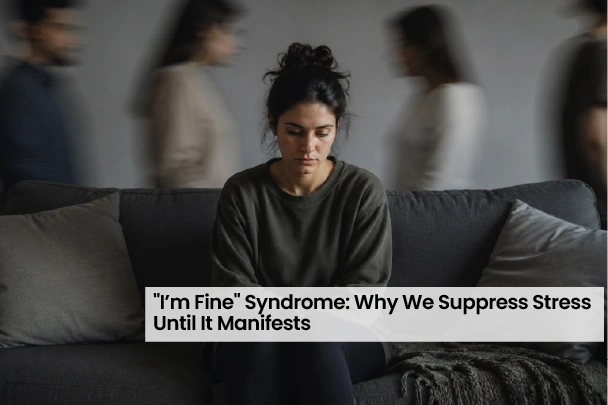
Everyday conversations often make “I’m fine” sound like a simple response. Yet, for many people, these two words can conceal emotional exhaustion, unresolved stress, anxiety, sadness, anger, or a growing sense of disconnection. The phrase has become less of an honest response and more of an automatic response used to avoid difficult conversations, emotional vulnerability, or the discomfort of acknowledging that something is wrong.
“I’m fine” syndrome is a recognizable pattern in which a person repeatedly suppresses emotional distress and presents an outward appearance of being okay. Over time, unaddressed emotions may affect mental well-being, relationships, sleep, physical health, motivation, and daily functioning.
What Is “I’m Fine” Syndrome?
“I’m fine” syndrome is the habit of minimizing, hiding, or denying emotional difficulties while continuing to function normally on the surface. A person may recognize that stress is present but avoid acknowledging its intensity or discussing it with others. This tendency can develop from various psychological and social influences.
Common signs may include:
- Frequently saying that everything is fine despite persistent distress
- Withdrawing from meaningful relationships
- Avoiding conversations about difficult emotions
- Feeling emotionally exhausted & lonely
- Having difficulty identifying or communicating personal needs
- Increasing dependence on distraction
- Experiencing sleep disturbances
The phrase becomes a problem when saying “I’m fine” becomes a consistent substitute for emotional awareness.
Why Do People Suppress Stress?
Suppressing stress is seen as a way of coping with emotional discomfort, social pressure, and internal expectations of being constantly “okay.” Over time, this becomes an automatic response where acknowledging emotional strain feels more difficult than ignoring it, leading individuals to disconnect from their emotional needs even when stress continues to build internally. Various reasons include:
- Using emotional suppression as a coping mechanism: Pushing away or hiding difficult emotions feels easier than confronting or processing them.
- Believing that ignoring stress will make emotional difficulties disappear: Some people convince themselves that stress is temporary and avoiding it will eventually make the problem go away.
- Social comparison and external expectations create pressure: Comparing oneself to others or wanting to appear successful and happy can make it harder to admit that they are struggling.
- FOMO (fear of missing out) can push individuals to stay socially engaged: The desire to stay socially active and involved can lead people to ignore emotional exhaustion.
- Workplace stress, burnout, and unrealistic performance: Heavy workloads, constant pressure, and the need to perform can encourage people to hide stress and continue working despite feeling overwhelmed.
- Poor work-life boundaries can lead to emotional fatigue: Difficulty disconnecting from work and making time for rest can gradually contribute to emotional fatigue.
When a person repeatedly tells themselves that stress is temporary, manageable, or unimportant, the underlying issue may remain unresolved.
How Suppressed Stress Manifests
Emotions that remain unacknowledged do not simply disappear. Psychological distress can influence thoughts, behaviour, physical sensations, and daily functioning. A person who continually suppresses stress may have manifestations that include:
- Irritability or sudden anger
- Difficulty sleeping or maintaining healthy sleep patterns.
- Emotional numbness or frequent mood changes
- Low motivation toward previously meaningful activities
- Difficulty concentrating or making decisions
- Withdrawal from social interactions
- Increased interpersonal problems
- Procrastination and reduced productivity
These signs should be taken as markers to keep mental health in check.
Ways to Break the “I’m Fine” Pattern
Breaking this cycle is hard and begins with recognizing that the phrase is used to hide, minimize, or avoid emotional distress. The process involves developing greater emotional awareness, understanding personal needs, and finding healthier ways to respond to stress.
1. Pause and Check-in
Before automatically saying that everything is fine, pause and take a moment to check in with yourself. Paying attention to thoughts, emotions, energy levels, and physical sensations can help you recognize stress and emotional exhaustion before these feelings become overwhelming.
2. Identify and Acknowledge Emotions
Understanding what you are feeling is an essential step in breaking the pattern. Instead of dismissing uncomfortable emotions, you have to acknowledge and accept them.
3. Communicate Feelings Honestly
Being more honest about your emotional state can help individuals open up about their needs and receive appropriate support. Expressing yourself little by little can prevent difficult emotions from being hidden.
4. Setting Healthy Boundaries
Recognizing and respecting personal healthy boundaries can help individuals avoid emotional overload. It allows you to manage your time, energy, and responsibilities without continuously putting your own well-being aside.
5. Make Time for Emotional Rest
Emotional well-being calls for resting, helping you to create time for relaxation, reflection, and activities that help you recharge. Regular emotional rest can provide an opportunity to process accumulated stress.
6. Practice Self-Compassion
Practicing self-compassion can help reduce the pressure to appear fine at all times. Treating themselves with patience and understanding allows them to acknowledge their struggles without judging themselves for experiencing difficult emotions.
7. Reduce Avoidance and Distractions
While distractions can provide temporary relief, constantly avoiding difficult thoughts and feelings may allow stress to continue building. Making time to acknowledge and process emotions can encourage healthier coping and support self-improvement.
8. Seek Professional Support When Needed
When emotional distress persists or begins to interfere with everyday functioning, seeking professional support can be a huge help. A qualified mental-health professional can provide a safe environment for individuals to explore persistent stress and develop appropriate ways of managing emotional difficulties.
Conclusion
The “I’m Fine” Syndrome highlights an important distinction between functioning and genuinely feeling well. A person can continue meeting responsibilities while simultaneously carrying substantial emotional stress. Recognizing emotions does not eliminate resilience; it can strengthen it. Ultimately, replacing automatic emotional suppression with awareness, mindfulness, healthy boundaries, and appropriate professional support can create a more sustainable approach to mental well-being. Saying “I’m fine” may sometimes be accurate, but when it becomes a reflex, it can be worth exploring what remains hidden beneath it.
Call To Action
Constantly responding with “I’m fine” as an automatic response may be a sign of struggling with stress, emotional exhaustion, or overwhelming thoughts. Suppressing emotions and constantly pushing through daily pressures can cause stress to build unnoticed. Psychowellness Center, with centres conveniently located in Janakpuri and Dwarka Sec-17, Delhi, offers confidential and evidence-based mental health care to support individuals facing everyday emotional challenges, stress, and self-criticism. To book an appointment with the best psychologists in Delhi NCR, psychologists in Delhi, and best counselors near me or learn more about the services, individuals can contact 011-47039812 or 7827208707.
Contributions: Dr. R.K. Suri, Clinical Psychologist, and Ms. Vandana Krishnan, Counselling Psychologist
FAQs
1. What is “I’m Fine” Syndrome?
“I’m Fine” Syndrome refers to a pattern of repeatedly saying that everything is fine while hiding, minimizing, or avoiding emotional distress.
2. Why do people suppress their emotions?
People may suppress emotions due to social pressure, fear of judgment, workplace stress, emotional discomfort, or the belief that problems will eventually disappear.
3. How can suppressed stress affect daily life?
Suppressed stress can contribute to sleep difficulties, mood changes, low motivation, poor concentration, irritability, social withdrawal, and relationship problems.
4. How can I say “I’m not fine”?
Pause and check in with yourself, acknowledge your emotions, communicate your needs honestly, set healthy boundaries, practice self-compassion, and seek professional help when needed.
References
American Psychological Association. (2022, October 31). How stress affects your health. American Psychological Association
Wang, Y., et al. (2025). The mechanisms underlying the relationship between self-compassion and psychological outcomes in adult populations: A systematic review. Stress and Health. https://doi.org/10.1002/smi.70090
https://www.psychowellnesscenter.com/Blog/how-does-stress-affect-your-brain/
https://www.psychowellnesscenter.com/Blog/5-simple-habits-of-emotionally-resilient-people/
https://www.psychowellnesscenter.com/Blog/helpful-ways-to-handle-chronic-stress/
https://www.psychowellnesscenter.com/Blog/tips-to-deal-with-parental-burnout-and-stress/
https://www.psychowellnesscenter.com/Blog/role-of-prolonged-stress-and-anxiety-in-memory-loss/