
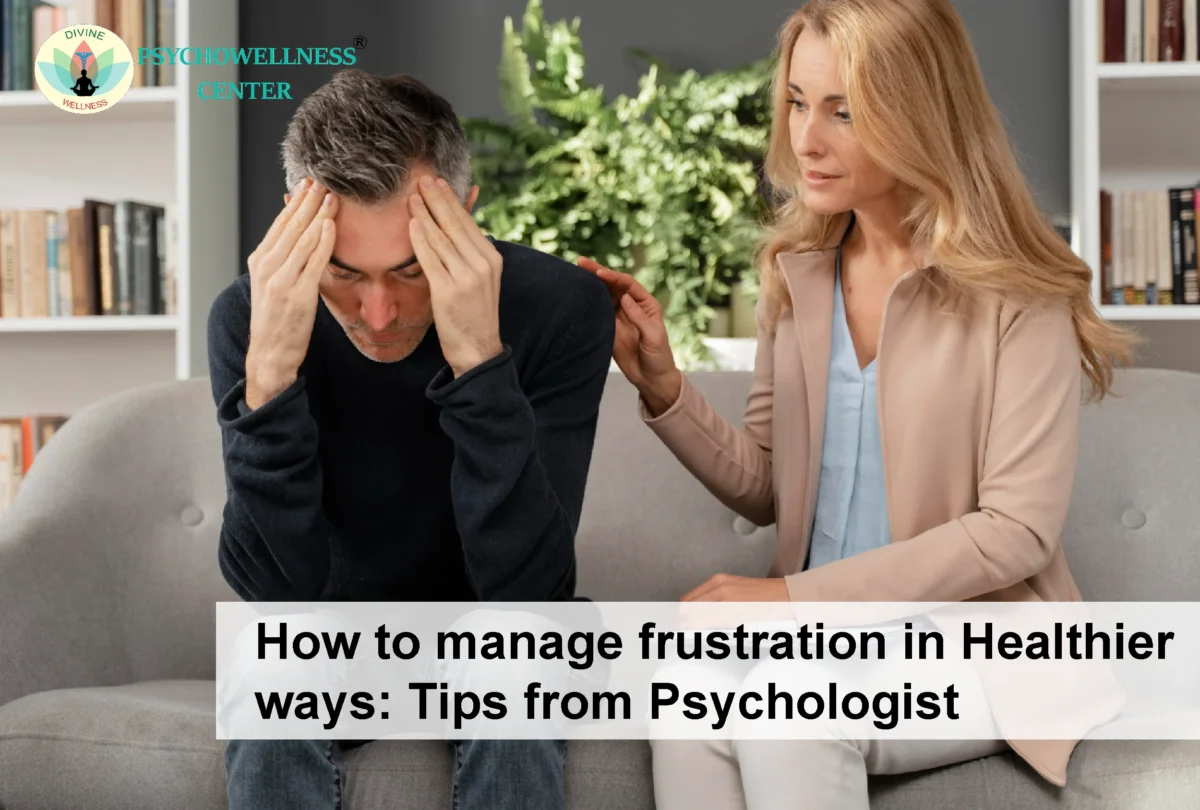
Frustration is a natural part of life. Whether it’s being stuck in traffic, facing repeated failures, dealing with workplace stress, relationship conflicts, or struggling to achieve personal goals, everyone experiences frustration at some point. While feeling frustrated is completely normal, the way we respond to it can significantly affect our emotional well-being, relationships, and overall quality of life.
As psychologists, we often see individuals who feel overwhelmed because they have difficulty managing frustration. The good news is that frustration is a manageable emotion. By understanding its causes and adopting healthy coping strategies, you can transform frustration into an opportunity for personal growth and emotional resilience.
What is Frustration?
Frustration is an emotional response that occurs when our goals, expectations, or desires are blocked. It may arise from external situations, such as delays, criticism, or conflicts, or from internal factors like self-doubt, perfectionism, or unrealistic expectations. If left unmanaged, frustration can gradually build up and lead to anger, anxiety, stress, poor decision-making, and strained relationships.
The key is not to eliminate frustration, because that is impossible, but to learn healthier ways to respond to it.
Signs That Frustration is Affecting You
Many people don’t realize they’re experiencing frustration until it begins affecting their daily life. Some common signs include:
- Frequent irritability or anger
- Feeling emotionally exhausted
- Difficulty concentrating
- Impatience with others
- Negative self-talk
- Physical signs like weariness, tense muscles, or headaches
- Taking reckless actions or making regrettable statements
Recognizing these signs early allows you to intervene before frustration escalates.
Healthy Ways to Manage Frustration
1. Pause Before Reacting
When frustration builds, your brain naturally prepares for a fight-or-flight response. Instead of reacting immediately, pause for a few moments. Take slow, deep breaths and allow your body to calm down.
This simple pause creates space between the emotion and your reaction, helping you make thoughtful decisions instead of impulsive ones.
2. Identify the Real Cause
Sometimes the situation that triggers frustration isn’t the actual problem.
Ask yourself:
- What exactly is bothering me?
- Is this situation under my control?
- Am I frustrated because of this event, or is it connected to something deeper?
Self-awareness helps you address the root cause rather than merely reacting to surface-level triggers.
3. Accept What You Cannot Control
Many frustrations arise because we try to control people, situations, or outcomes beyond our influence. Focusing on controllable actions reduces emotional distress and increases resilience.
4. Challenge Unrealistic Expectations
We often become frustrated when reality doesn’t match our expectations.
Perfectionism, rigid thinking, and expecting everything to happen according to plan can create unnecessary stress. Flexible thinking helps us adapt more effectively to life’s uncertainties.
5. Express Your Emotions in Healthy Ways
Frustration seldom goes away when it is suppressed. Instead, look for healthy ways to communicate your emotions:
- Talk to someone you trust.
- Write your thoughts in a journal.
- Practice creative activities like drawing or music.
- Share your emotions calmly instead of bottling them up.
Healthy emotional expression prevents frustration from turning into anger or resentment.
6. Move Your Body
Physical activity is one of the most effective ways to release emotional tension.
Even a 20–30-minute walk, yoga session, stretching, dancing, or light exercise can help reduce stress hormones and improve your mood.
Exercise also increases endorphins, which naturally promote emotional well-being.
7. Practice Mindfulness
You can learn to examine your thoughts without responding to them right away by practicing mindfulness.
Simple mindfulness practices include:
- Deep breathing exercises
- Body scan meditation
- Guided relaxation
- Paying attention to your surroundings
- Practicing gratitude
Regular mindfulness helps reduce emotional reactivity and improves frustration tolerance.
8. Improve Your Problem-Solving Skills
Sometimes frustration signals that a problem needs attention rather than avoidance.
Break large problems into smaller, manageable steps.
Rather than thinking, “I can’t do this,” ask yourself, “What’s one manageable step I can take right now?”
Problem-solving reduces helplessness and restores a sense of control.
9. Practice Self-Compassion
Many people become frustrated with themselves after making mistakes.
Remember that everyone experiences setbacks.
Replace self-criticism with compassionate statements like:
- “I’m learning.”
- “It’s okay to make mistakes.”
- “I can improve with practice.”
Research consistently shows that self-compassion improves emotional resilience and reduces stress.
10. Seek Professional Support When Needed
If frustration becomes frequent, intense, or begins affecting your work, relationships, sleep, or mental health, seeking professional help can make a significant difference.
A psychologist can help identify underlying patterns, teach effective emotional control techniques, and develop personalized coping strategies that promote lasting emotional well-being.
Building Long-Term Emotional Resilience
Managing frustration isn’t about becoming emotionally numb. It’s about learning to respond wisely instead of reacting impulsively.
Over time, healthy coping strategies strengthen emotional resilience, improve communication, reduce stress, and enhance overall mental health.
Recall that frustration is just information and not a sign of weakness. It enables us to identify our priorities. The goal is to use that information wisely rather than letting it control our behavior.
How Psychowellness Center Can Help
At Psychowellness Center, we are committed to helping individuals build emotional resilience and achieve better mental well-being through evidence-based psychological care. Our experienced team of the best psychologists in India, the best counselors in Delhi, therapists in Dwarka, and psychological counseling near me provides professional support for concerns such as stress management, emotional regulation, anxiety, anger management, depression, relationship difficulties, workplace stress, and other emotional challenges. Whether you are dealing with everyday frustrations or more persistent mental health concerns, we offer personalized therapy plans tailored to your unique needs, empowering you with practical coping strategies and long-term emotional wellness. You can visit us at our Janakpuri or Dwarka Sector-17 clinics. To schedule an appointment or learn more about our services, call us at 011-47039812 or 7827208707. Remember, prioritizing your mental health is an investment in your overall quality of life, and seeking professional support is a courageous step toward living a healthier, happier, and more balanced life.
Conclusion
Frustration is a normal human emotion, but it doesn’t have to control your thoughts, actions, or relationships. By developing healthy coping strategies such as practicing mindfulness, managing expectations, expressing emotions constructively, and seeking support when needed, you can respond to life’s challenges with greater calm and resilience. Remember, managing frustration is not about avoiding difficult emotions but about learning to handle them in ways that support your mental and emotional well-being.
Contributions: Dr. R.K. Suri, Clinical Psychologist, and Ms. Sakshi Dhankhar, Counselling Psychologist
References
American Psychological Association. (2018). Frustration. APA Dictionary of Psychology. https://dictionary.apa.org/frustration
https://www.psychowellnesscenter.com/Blog/tips-to-gain-control-over-your-emotions/
https://www.psychowellnesscenter.com/Blog/5-effective-techniques-to-manage-displaced-aggression/
https://www.psychowellnesscenter.com/Blog/creative-outlets-to-channel-and-manage-anger/
Understanding Childhood Anger: What’s Normal and What’s Not?
Jeronimus, B. F. (2018). Frustration. In V. Zeigler-Hill & T. K. Shackelford (Eds.), Encyclopedia of Personality and Individual Differences. Springer.
Kashdan, T. B. (2022). The key to coping with frustration. Psychology Today. https://www.psychologytoday.com/us/blog/flex-your-feelings/202208/the-key-coping-frustration