
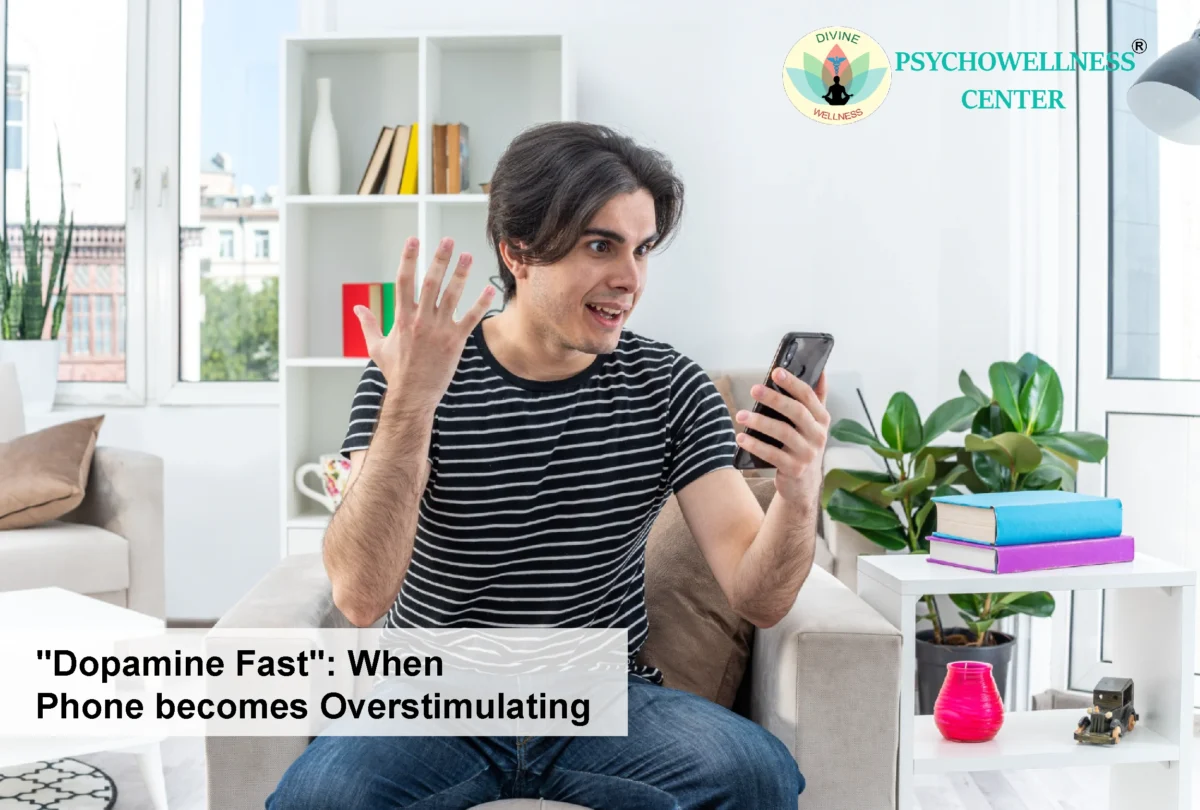
Have you ever picked up your phone just to check one notification, only to realize that an hour has passed while scrolling through social media, watching videos, or jumping from one app to another? You’re not alone if this sounds familiar to you. Our everyday lives now revolve around smartphones. While they offer convenience and connection, they also expose our brains to constant stimulation, making it increasingly difficult to focus, relax, or enjoy simple moments.
This growing dependence has sparked interest in a concept known as dopamine fasting. Contrary to popular belief, dopamine fasting does not eliminate dopamine from the brain. Instead, it is about reducing excessive stimulation that keeps us constantly seeking instant gratification. By taking intentional breaks from highly stimulating activities, especially excessive phone use, we can help our minds regain balance and improve emotional well-being.
Understanding Dopamine
Dopamine is a neurotransmitter often referred to as the brain’s “reward chemical.” It plays an essential role in motivation, learning, attention, and pleasure. Every time you receive a message, a social media “like,” or watch an entertaining video, your brain experiences a small dopamine release. This reward encourages you to repeat the behavior.
The problem arises when smartphones provide an endless stream of rewarding experiences. Infinite scrolling, notifications, short-form videos, and instant access to entertainment continuously stimulate the brain’s reward system. Over time, your brain begins craving more frequent stimulation, making ordinary activities like reading, studying, working, or even having face-to-face conversations seem less engaging.
When Your Phone Becomes Overstimulating
An overstimulated brain may not always feel excited; it can actually feel exhausted. Many people report feeling mentally drained despite spending hours consuming digital content.
Some common signs that your phone has become overstimulating include:
- Feeling anxious or restless when your phone isn’t nearby.
- Checking notifications even when none have arrived.
- Difficulty concentrating on work or studies.
- Constant urge to refresh social media feeds.
- Reduced enjoyment in hobbies that once felt rewarding.
- Trouble sleeping due to late-night screen time.
- Feeling mentally tired despite doing very little physical activity.
These behaviors are often driven by habit rather than genuine need. Each notification creates anticipation, encouraging repeated checking and reinforcing the cycle.
What Is Dopamine Fasting?
Dopamine fasting is not about completely avoiding pleasure or happiness. Instead, it involves taking a conscious break from activities that provide continuous, high-intensity stimulation. The goal is to reduce compulsive behaviors and allow your brain to become comfortable with slower, more meaningful experiences.
During a dopamine fast, people may temporarily limit activities such as:
- Social media scrolling
- Watching endless videos
- Online shopping
- Constant texting
- Excessive phone checking
Instead, they replace these habits with activities that promote mindfulness and emotional regulation, such as reading, walking, journaling, meditation, exercising, or spending quality time with loved ones.
Benefits of Reducing Phone Stimulation
Although research on dopamine fasting is still evolving, many mental health professionals recognize the benefits of reducing excessive digital stimulation.
Some potential advantages include:
- Improved Focus: Without constant interruptions from notifications, your brain can sustain attention for longer periods, making work and studying more productive.
- Better Emotional Regulation:- Reducing digital overload may decrease irritability, stress, anxiety, depression, burnout, anger issues, and emotional reactivity. Many people report feeling calmer after limiting screen time.
- Better Sleep:- Blue light exposure and stimulating content before bedtime interfere with natural sleep cycles. Avoiding phones before sleeping often improves both sleep quality and morning energy.
- Increased Mindfulness:- You become more present in daily experiences, whether enjoying a meal, talking with family, or simply appreciating moments of silence.
- Greater Enjoyment of Simple Activities:- After reducing overstimulation, activities like reading a book, gardening, exercising, or listening to music often become enjoyable again because your brain is no longer constantly chasing instant rewards.
Practical Ways to Start a Dopamine Fast
You don’t need to give up your smartphone completely. Extreme limitations are frequently less successful than small, continuous changes.
Here are some practical strategies:
- Create Phone-Free Zones: Keep your phone away during meals, family conversations, or while working.
- Turn Off Non-Essential Notifications: Each notification vies for your time. Turn off alerts that don’t really matter.
- Schedule Screen-Free Hours: Set aside one or two hours each day without digital devices.
- Avoid Using Your Phone Immediately After Waking Up: Give your brain time to wake naturally before engaging with emails or social media.
- Replace Scrolling with Healthy Alternatives: Go for a walk, practice deep breathing, read a few pages of a book, or write in a journal.
- Use Screen Time Tracking: Most smartphones allow you to monitor app usage, helping you become more aware of your digital habits
Is Dopamine Fasting Right for Everyone?
Dopamine fasting is not a medical treatment or a cure for mental health conditions. However, it can be a valuable self-care strategy for individuals who feel overwhelmed by excessive screen use or struggle with compulsive digital habits.
If phone use is significantly affecting your work, relationships, sleep, or emotional well-being, it may indicate a deeper issue such as anxiety, stress, depression, or behavioral addiction. In such cases, seeking guidance from a qualified mental health professional from the best psychologists in India, best psychologists in Delhi, best counselors near me, and psychological counseling near me can be extremely beneficial.
When to Seek Professional Help
Sometimes, reducing screen time alone may not be enough. If you experience persistent anxiety, mood swings, irritability, poor concentration, or find yourself unable to control your digital habits despite repeated efforts, professional psychological support can help identify underlying emotional patterns and develop healthier coping strategies.
At Psychowellness Center, experienced psychologists and mental health professionals provide evidence-based counselling for digital addiction, stress management, anxiety, depression, relationship concerns, emotional regulation, and lifestyle-related mental health challenges. Their personalized therapeutic approach helps individuals build healthier technology habits while improving overall psychological well-being. To book an appointment or learn more about the services, call 011-47039812 or 7827208707.
Conclusion
Smartphones have transformed the way we communicate, work, and entertain ourselves, but excessive digital stimulation can quietly impact our attention, emotional health, and overall quality of life. Dopamine fasting is less about depriving yourself and more about creating intentional space for your brain to rest from constant digital rewards.
By setting healthy boundaries with technology and reconnecting with meaningful offline experiences, you can improve focus, reduce stress, and cultivate a healthier relationship with your phone. Small daily changes can make a significant difference, allowing your mind to experience greater balance, clarity, and well-being.
Contributions: Dr. R.K. Suri, Clinical Psychologist, and Ms. Sakshi Dhankhar, Counselling Psychologist
References
- American Psychological Association. (2023). Healthy technology use: Managing your screen time. https://www.apa.org/topics/healthy-technology-use
- Lembke, A. (2021). Dopamine nation: Finding balance in the age of indulgence. Dutton.
- Montag, C., & Elhai, J. D. (2020). Discussing digital technology overuse in children and adolescents during the COVID-19 pandemic and beyond. Addictive Behaviors Reports, 12, 100313. https://doi.org/10.1016/j.abrep.2020.100313