
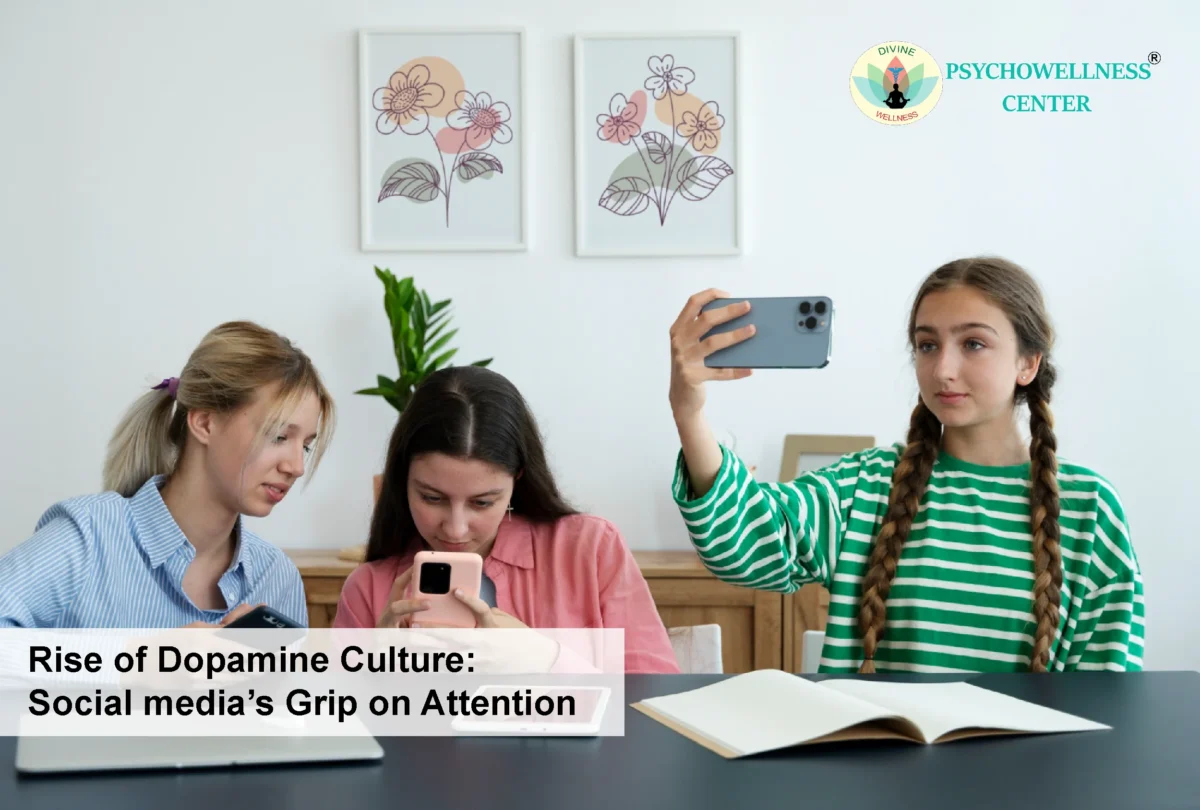
Social media has become an essential component of everyday living in today’s hyperconnected world. From the moment we wake up until we go to sleep, notifications, likes, comments, and endless scrolling compete for our attention. While these platforms offer convenience, entertainment, and social connection, they have also contributed to the emergence of what experts often call “dopamine culture”, a lifestyle driven by the constant pursuit of quick rewards and instant gratification.
The rise of dopamine culture has transformed how people think, work, communicate, and spend their leisure time. As attention spans shrink and digital dependence increases, understanding the psychological impact of social media becomes essential for maintaining mental well-being.
What Is Dopamine Culture?
Dopamine is a neurotransmitter associated with motivation, reward, pleasure, and learning. Contrary to popular belief, dopamine is not simply the “feel-good chemical.” Instead, it plays a significant role in motivating individuals to seek rewarding experiences.
Social media platforms are carefully designed to stimulate dopamine release through features such as:
- Likes and reactions
- Notifications
- Infinite scrolling
- Personalized content feeds
- Short-form videos
- Social validation mechanisms
Each notification or positive interaction creates anticipation and excitement, encouraging users to return repeatedly. Over time, this cycle can lead to habitual checking and excessive screen time.
Why Social Media Is So Addictive
Modern social media platforms operate on a variable reward system, similar to mechanisms used in gambling. Users never know when they will receive a like, comment, or engaging piece of content. This unpredictability keeps the brain engaged and encourages continuous use.
Several factors contribute to social media’s addictive nature:
Instant Gratification
Unlike real-life achievements that require patience and effort, social media delivers immediate rewards. A photo upload can generate validation within seconds, reinforcing repeated behavior.
Fear of Missing Out (FOMO)
Many individuals experience anxiety about missing important updates, trends, or social interactions. This fear encourages frequent platform checking throughout the day.
Social Comparison
Users are continuously presented with carefully chosen portrayals of other people’s lives. Comparing oneself to seemingly perfect lifestyles can contribute to dissatisfaction, insecurity, and stress.
Endless Content Availability
Infinite scrolling removes natural stopping points, making it difficult for users to disengage from their devices.
The Impact on Attention Span
One of the most significant consequences of dopamine culture is the decline in sustained attention.
Social media trains the brain to process information rapidly. Users consume hundreds of pieces of content within minutes, constantly switching between videos, posts, messages, and notifications. As a result, the brain becomes accustomed to novelty and stimulation.
This can lead to:
- Difficulty concentrating on tasks
- Reduced productivity
- Increased distractibility
- Challenges in reading long-form content
- Impaired learning and memory retention
Many professionals and students report struggling to focus on work or studies without checking their phones repeatedly.
Effects on Mental Health
While social media is not inherently harmful, excessive use can negatively impact mental health.
Increased Anxiety and Stress
There may be pressure to stay accessible and responsive when there is constant connectivity. Notifications and social expectations often contribute to heightened stress levels.
Lower Self-Esteem
Exposure to filtered images and idealized lifestyles may lead individuals to question their own achievements, appearance, or social status.
Sleep Disturbances
Late-night scrolling and blue light exposure can interfere with sleep quality. Poor sleep, in turn, affects mood regulation, concentration, and emotional control.
Emotional Dependency
Some users begin relying heavily on online validation to feel valued or accepted. When engagement levels drop, feelings of disappointment or inadequacy may arise.
In such situations, seeking support through psychological counselling in Delhi can help individuals develop healthier digital habits and improve emotional well-being.
Signs You May Be Caught in Dopamine Culture
It may be time to reassess your relationship with technology if you:
- Check social media immediately after waking up
- Feel anxious when your phone is unavailable
- Frequently lose track of time while scrolling
- Struggle to focus on work or studies
- Compare yourself excessively to others online
- Feel restless without digital stimulation
Recognizing these signs early can prevent more significant mental health concerns from developing.
Strategies to Regain Control
The good news is that individuals can cultivate healthier relationships with technology without completely abandoning social media.
Set Screen Time Limits
Most smartphones provide built-in tools that monitor app usage. Establishing daily limits can reduce excessive engagement.
Turn Off Non-Essential Notifications
Reducing interruptions helps improve concentration and decreases the urge to check devices constantly.
Practice Mindful Consumption
Instead of scrolling automatically, engage intentionally with content that adds value to your life.
Schedule Digital Detox Periods
Designate specific times each day when devices are put away, allowing space for real-world experiences and meaningful interactions.
Prioritize Offline Activities
Reading, exercise, hobbies, and face-to-face conversations provide deeper satisfaction than short-term digital rewards.
Seek Professional Guidance
If technology use significantly affects your mental health, consulting the best psychologist in Delhi NCR, the best counselors near me, and therapists in Delhi can provide personalized strategies for managing digital dependence and improving overall well-being.
Counseling’s Function in Handling Digital Overload
Mental health professionals are increasingly helping individuals address concerns related to social media addiction, anxiety, and attention difficulties.
A qualified best counselor in Delhi can assist clients in:
- Understanding behavioral patterns
- Developing healthier coping mechanisms
- Managing stress and anxiety
- Building self-esteem
- Creating balanced digital habits
Professional intervention becomes especially important when excessive social media use begins affecting relationships, academic performance, or workplace productivity.
For those seeking support, experienced mental health professionals are available at Psychowellness Center, located in Janakpuri and Dwarka Sector 17, Delhi. Individuals can contact the center at 011-47039812 or 7827208707 for guidance and counseling services.
Building a Healthier Relationship with Technology
Technology itself is not the problem; rather, the challenge lies in how it is used. Social media can foster connection, learning, creativity, and awareness when consumed mindfully. However, unchecked engagement can trap individuals in a cycle of constant stimulation and instant gratification.
Developing self-awareness, setting boundaries, and prioritizing meaningful offline experiences can help people regain control of their attention and mental well-being. By understanding dopamine culture and its effects, individuals can make more conscious choices about their digital habits and create healthier, more balanced lives.
Conclusion
As dopamine culture continues to shape modern behavior, maintaining a healthy balance between online engagement and real-world experiences is essential. Excessive social media use can affect attention, emotional health, productivity, and relationships, making conscious digital habits more important than ever.
Psychowellness Center, with its experienced team of psychologists and mental health professionals at Janakpuri and Dwarka Sector 17, Delhi, offers evidence-based support for individuals struggling with stress, technology dependence, anxiety, and related concerns. Through counseling and psychological interventions, clients can develop healthier coping strategies and improve overall well-being.
Similarly, TalktoAngel provides accessible online counseling services, connecting individuals with qualified mental health experts who help address emotional challenges, digital stress, and lifestyle-related concerns from the comfort of their homes.
Contributions: Dr. R.K. Suri, Clinical Psychologist, and Ms. Tanu Sangwan, Counselling Psychologist
References
https://www.psychowellnesscenter.com/Blog/are-your-social-media-habits-affecting-your-mood/
https://www.psychowellnesscenter.com/Blog/reshaping-a-blurred-identity-due-to-social-media-overuse/
https://www.psychowellnesscenter.com/Blog/social-media-manipulation-and-self-image/
https://www.psychowellnesscenter.com/Blog/how-to-cultivate-healthy-screen-habits/
Alter, A. (2017). Irresistible: The rise of addictive technology and the business of keeping us hooked. Penguin Press.
American Psychological Association. (2023). Social media and mental health: Emerging research and trends. American Psychologist, 78(4), 456–468.
Montag, C., Sindermann, C., Becker, B., & Panksepp, J. (2019). An affective neuroscience framework for the molecular study of Internet addiction. Frontiers in Psychology, 10, 1–13. https://doi.org/10.3389/fpsyg.2019.00434
Twenge, J. M. (2020). Increases in depression, self-harm, and suicide among U.S. adolescents after 2010 and links to technology use. Psychiatric Research and Clinical Practice, 2(1), 19–25.
World Health Organization. (2022). Mental health and digital technologies: Opportunities, impacts and challenges. World Health Organization.