
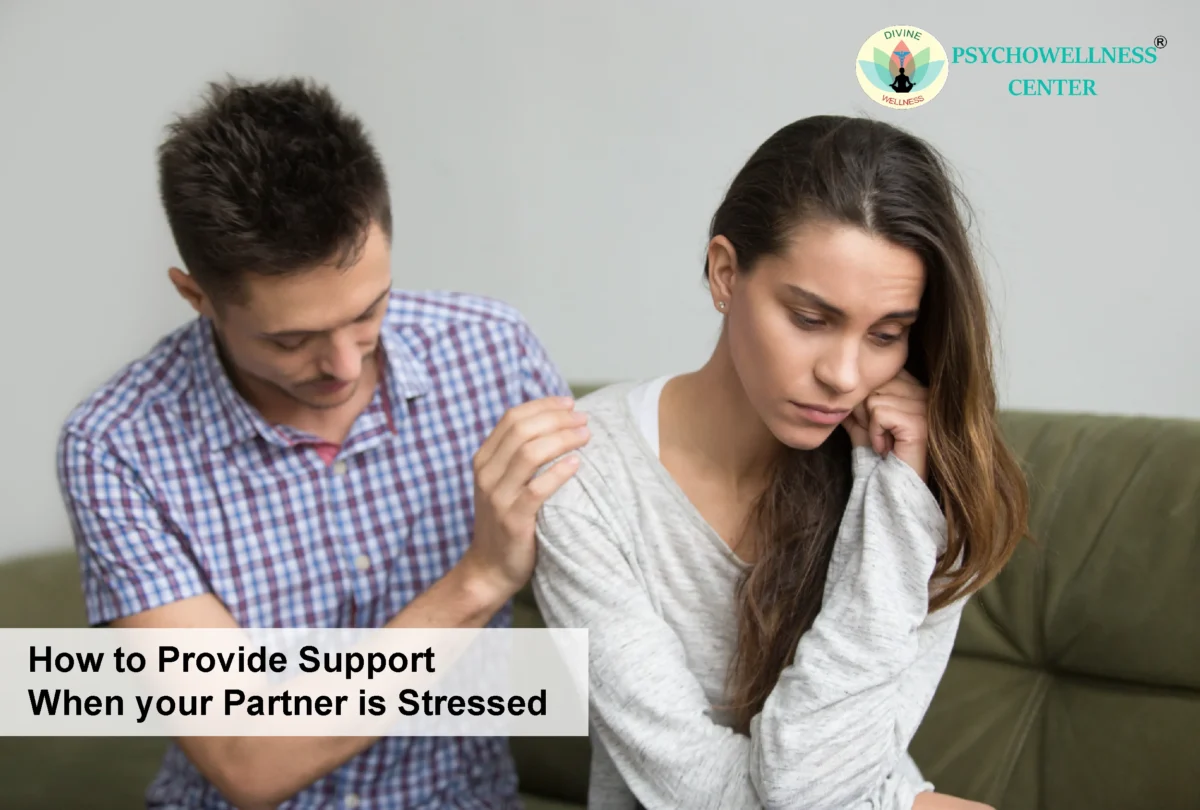
Stress is an unavoidable part of life. Whether it stems from work, finances, family responsibilities, or health concerns, it can affect not only an individual but also the people closest to them. When your partner is overwhelmed, your response can either strengthen your relationship or unintentionally increase their emotional burden. Providing support does not require having all the answers; rather, it involves showing empathy, patience, and consistency.
Research suggests that stress can reduce a person’s ability to recognize and respond to a partner’s emotional needs, making conscious efforts to communicate and offer support even more important.
Listen Before You Try to Solve
Just listening is one of the most beneficial things you can do. Many people instinctively jump into problem-solving mode when they see a loved one struggling. While practical advice may sometimes be helpful, stressed individuals often need emotional validation before they are ready to consider solutions.
Practice active listening by maintaining eye contact, avoiding interruptions, and reflecting back what you hear. Simple statements such as, “That sounds really difficult,” or “I can understand why you’re feeling this way,” communicate understanding without minimizing their experience.
Validate Their Feelings
Stress can lead to frustration, sadness, anger, burnout, depression, trauma, irritability, or anxiety. Instead of dismissing these emotions with phrases like “Don’t worry” or “Everything will be fine,” acknowledge that their feelings are understandable.
Validation does not mean agreeing with every thought or fear. It means recognizing that their emotions are real and deserve compassion. Feeling emotionally understood often reduces distress and strengthens trust between partners.
Offer Practical Support
Sometimes emotional support is accompanied by practical help. Small gestures can significantly reduce your partner’s mental load, such as:
- Preparing a meal
- Helping with household chores
- Running errands
- Looking after children or pets
- Encouraging breaks from work
These actions communicate that you are sharing responsibilities rather than leaving your partner to cope alone.
Encourage Healthy Coping
Instead of encouraging avoidance, gently support healthy stress-management habits. Suggest going for a walk together, exercising, maintaining regular sleep schedules, or practicing relaxation techniques.
If your partner enjoys creative expression, activities inspired by art therapy such as painting, sketching, journaling, or crafting can provide a healthy emotional outlet without requiring artistic skill.
Respect Their Need for Space
Not everyone processes stress in the same way. While some people prefer to talk immediately, others need time to organize their thoughts.
Ask questions like:
- “Would you like to talk about it?”
- “Would you prefer some quiet time?”
- “How can I best support you today?”
Giving your partner choices helps them feel respected rather than pressured.
Communicate Calmly
Stress can sometimes make conversations tense. During these moments, practicing emotional control becomes essential. Instead of reacting impulsively, pause before responding, regulate your own emotions, and speak calmly.
If disagreements arise, focus on understanding rather than winning the argument. Avoid criticism, sarcasm, or bringing up unrelated past conflicts. Remaining emotionally steady often helps your partner feel safer discussing difficult situations.
Help Break Problems into Smaller Steps
When stress feels overwhelming, even simple tasks may seem impossible. You can support your partner by helping them organize priorities through realistic goal setting.
Rather than trying to solve everything at once, encourage manageable steps:
- Identify the biggest concern.
- Break it into smaller tasks.
- Celebrate small achievements.
This approach restores a sense of control and reduces feelings of helplessness.
Encourage Professional Support When Needed
Sometimes stress becomes persistent and begins affecting sleep, work performance, physical health, or daily functioning. If these difficulties continue for several weeks, professional support may be beneficial.
Evidence-based approaches such as dialectical behavior therapy can help individuals improve emotional regulation, distress tolerance, interpersonal effectiveness, and mindfulness skills. Therapy is not only for severe mental illness it can also help people manage everyday stress more effectively.
Seeking guidance from qualified mental health professionals can also support ongoing self-improvement, helping individuals develop healthier coping strategies and stronger resilience.
Take Care of Yourself Too
Supporting a stressed partner does not mean neglecting your own wellbeing. Compassion fatigue can develop when one partner continually gives emotional support without taking time to recharge.
Maintain your own hobbies, friendships, exercise routine, and rest. Setting healthy boundaries allows you to remain emotionally available without becoming overwhelmed yourself. Healthy relationships are built when both partners care for each other’s wellbeing.
When to Seek Additional Help
If stress is accompanied by persistent sadness, severe emotional distress, withdrawal from daily activities, panic attacks, or ongoing conflict within the relationship, professional intervention may be appropriate.
Individuals searching online for a therapist near me, psychological counselling in delhi, a psychologist in delhi ncr, or the Best Psychologists in Delhi should choose mental health professionals who use evidence-based therapeutic approaches tailored to their specific concerns.
Conclusion
Supporting a stressed partner is less about finding perfect solutions and more about being emotionally present. Listening with empathy, validating feelings, offering practical help, encouraging healthy coping, and recognizing when professional support is needed can strengthen both individual wellbeing and the partnership itself. Even small acts of kindness performed consistently can remind your partner that they do not have to face life’s challenges alone.
To better understand and manage the impact of stress within a relationship, individuals and couples can seek professional support at Psychowellness Center. Services are available in-person at Dwarka and Janakpuri, New Delhi (Contact: 011-47039812 / 7827208707) and online through TalktoAngel. With the guidance of trained mental health professionals, couples can strengthen communication, develop healthier coping strategies, improve emotional resilience, enhance conflict resolution skills, foster empathy and mutual understanding, reduce the effects of chronic stress on their relationship, and build stronger emotional connections through evidence-based approaches such as cognitive behavioural therapy, dialectical behaviour therapy, mindfulness-based interventions, acceptance and commitment therapy, emotion regulation training, couple counselling, and supportive psychotherapy.
Supporting a stressed partner is not only about offering comfort during difficult times but also about encouraging mental wellness practices and a healthy lifestyle. Consistently following positive routines together can improve emotional resilience, strengthen the relationship, and help both partners cope with stress more effectively.
Contributions: Dr. R.K. Suri, Clinical Psychologist, and Ms. Mahima Mathur, Counselling Psychologist
References
Gottman, J. (2020). How to support your partner when you’re hurting too. The Gottman Institute. https://www.gottman.com/blog/how-to-support-your-partner-when-youre-hurting-too/
Neff, L. A., Nguyen, T. T. T., & Williamson, H. C. (2021). Too stressed to help? The effects of stress on noticing partner needs and enacting support. Personality and Social Psychology Bulletin, 47(11), 1565–1579. https://doi.org/10.1177/0146167220974490
Ogan, M. A., & Monk, J. K. (2025). Does stress promote or inhibit romantic partner support? A systematic review of competing hypotheses. Journal of Family Theory & Review, 17(3), 742–773. https://doi.org/10.1111/jftr.12633
https://www.psychowellnesscenter.com/Blog/how-couples-can-co-regulate-stress/
https://www.psychowellnesscenter.com/Blog/ways-to-support-a-depressed-partner/
https://www.psychowellnesscenter.com/Blog/handling-shutting-down-phrases-of-your-partner/