
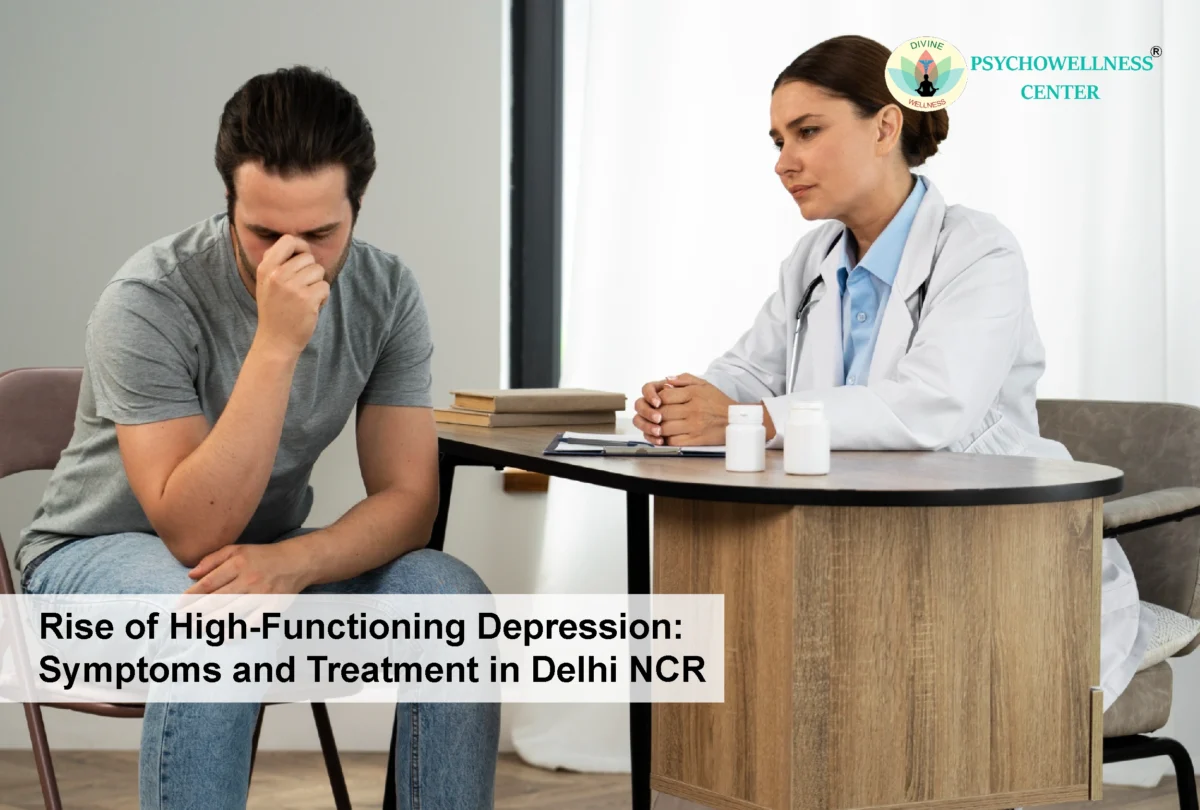
In recent years, mental health professionals have observed a growing number of individuals who appear successful, productive, and socially active on the outside while silently struggling emotionally on the inside. This experience is often referred to as high-functioning depression. Unlike severe depressive conditions that visibly affect day-to-day functioning, high-functioning depression may remain unnoticed because individuals continue fulfilling responsibilities despite ongoing emotional distress.
People experiencing this condition may continue attending work, maintaining relationships, and completing daily tasks while internally battling emotional exhaustion, hopelessness, or chronic dissatisfaction. Because their struggles are less visible, many individuals delay seeking support, believing their emotional pain is “not serious enough” for professional help.
In fast-paced urban environments like Delhi NCR, increasing work pressure, social expectations, emotional isolation, and lifestyle imbalance have contributed to rising emotional burnout and psychological strain among working professionals, students, and homemakers alike.
Understanding High-Functioning Depression
High-functioning depression is not always easy to recognise because individuals often appear organised, capable, and emotionally stable externally. However, internally, they may experience persistent sadness, emotional fatigue, emptiness, or self-criticism.
Many individuals continue meeting professional and personal expectations despite ongoing stress, emotional exhaustion, and difficulty experiencing joy or satisfaction. Over time, maintaining this emotional mask can become mentally draining and emotionally isolating.
Unlike temporary sadness, depressive symptoms may continue for long periods and gradually affect emotional well-being, motivation, sleep, concentration, and overall quality of life.
Common Emotional and Psychological Symptoms
Individuals experiencing high-functioning depression often struggle silently with persistent emotional distress. While they may continue managing responsibilities, they frequently experience emotional heaviness that affects their inner well-being.
Common signs may include chronic fatigue, self-doubt, emotional numbness, overthinking, irritability, or persistent anxiety related to the workplace, relationships, or future uncertainty.
Some individuals may also experience ongoing depression symptoms such as loss of interest in activities, emotional emptiness, hopelessness, difficulty relaxing, or reduced emotional satisfaction despite external achievements.
In many cases, emotional distress remains hidden because individuals fear appearing weak, incapable, or emotionally vulnerable.
Emotional Pressure and Perfectionism
High-functioning depression is often linked with perfectionism and excessive self-expectations. Individuals may continuously push themselves to perform better while ignoring emotional exhaustion or personal needs.
This emotional pressure may contribute to frustration, irritability, or suppressed anger, especially when individuals feel emotionally unsupported or overwhelmed.
Many people also struggle with excessive self-criticism and unrealistic standards, believing they must always remain productive and emotionally strong regardless of their emotional condition.
Over time, this internal pressure can intensify emotional burnout and emotional isolation.
Low Energy Behind High Achievement
One of the most misunderstood aspects of high-functioning depression is that individuals may appear productive despite struggling emotionally. Many people continue working, studying, caregiving, or managing households while internally experiencing low motivation and emotional fatigue.
Simple tasks may begin to feel emotionally exhausting, even though the individual continues functioning outwardly. Emotional exhaustion often accumulates gradually, leading to burnout, emotional numbness, or reduced emotional control over time.
Because individuals continue “functioning,” family members and colleagues may fail to recognise the emotional pain hidden beneath the surface.
Anxiety and Emotional Restlessness
Persistent emotional worry frequently accompanies high-functioning depression. Some individuals may develop symptoms associated with generalised anxiety disorder (GAD), including excessive overthinking, restlessness, tension, or fear regarding future outcomes.
The constant need to appear emotionally composed may increase emotional pressure and internal distress. Many individuals become trapped in cycles of overworking, overthinking, and emotional suppression while struggling silently with emotional exhaustion.
Without emotional support, these patterns can gradually affect relationships, work performance, physical health, and overall emotional well-being.
Difficulty Expressing Emotional Needs
Many individuals experiencing high-functioning depression struggle to express emotional needs openly. They may fear burdening others, appearing emotionally weak, or being misunderstood.
Learning assertiveness skills can help individuals communicate emotional needs more effectively while establishing healthier emotional boundaries. Therapy often helps individuals identify unhealthy emotional patterns and develop healthier communication strategies.
Individuals who suppress emotional needs for long periods may eventually feel emotionally disconnected from themselves and others.
The Importance of Emotional Regulation
Emotional suppression can intensify psychological distress over time. Individuals experiencing high-functioning depression may struggle with emotional overload while attempting to maintain emotional control externally.
Developing healthier emotion control strategies helps individuals manage overwhelming thoughts and emotional reactions more effectively. Therapy often includes emotional awareness techniques that help individuals recognise emotional triggers and respond more calmly to stressors.
Emotional regulation does not mean suppressing emotions; instead, it involves understanding and processing emotions in healthier ways.
The Role of Mindfulness and Self-Awareness
Building emotional awareness is an important part of recovery. Practising mindfulness techniques can help individuals slow down, reconnect with their emotions, and become more aware of emotional patterns affecting their mental well-being.
Mindfulness practices such as breathing exercises, grounding techniques, journaling, and guided relaxation can support emotional balance while reducing mental overwhelm.
Individuals often benefit from creating healthier routines, prioritising rest, and developing realistic goal-setting strategies that reduce emotional pressure and improve emotional stability gradually.
Professional Support and Treatment Options
High-functioning depression is treatable, and professional support can significantly improve emotional well-being and coping abilities. Therapy helps individuals identify emotional patterns, challenge self-critical thinking, improve emotional regulation, and develop healthier coping mechanisms.
Many individuals seek psychological counselling in Delhi to better manage emotional exhaustion, anxiety, depressive symptoms, and work-related emotional stress. Consulting a qualified psychologist Delhi professional allows individuals to receive structured emotional support tailored to their specific needs.
Individuals searching for the Best Psychologists in Delhi can access experienced mental health professionals trained in emotional well-being, depression management, and stress reduction techniques. Professional counselling in Delhi may include Cognitive Behaviour Therapy (CBT), emotional regulation strategies, mindfulness-based interventions, and supportive psychotherapy.
Professional counselling services are available in Janakpuri, Delhi and Dwarka Sector 17, Delhi. Individuals seeking emotional support may contact 011-47039812, 7827208707 for guidance and appointments.
Moving Toward Emotional Healing
Recovery from high-functioning depression begins with acknowledging emotional struggles rather than hiding them behind productivity or external success. Emotional healing involves learning to prioritise emotional well-being alongside responsibilities and achievements.
With professional guidance, emotional awareness, healthier coping strategies, and supportive environments, individuals can gradually rebuild emotional balance, confidence, and psychological resilience.
Seeking support is not a sign of weakness; it is an important step toward emotional wellness and self-care.
Conclusion
High-functioning depression often remains hidden behind achievement, productivity, and daily responsibilities, making it difficult for others to recognise emotional distress. However, ongoing stress, anxiety, emotional exhaustion, low motivation, and suppressed emotional struggles can significantly affect long-term mental well-being if left unaddressed.
Professional support through platforms like TalktoAngel and Psychowellness Center can help individuals better understand emotional challenges while developing healthier coping strategies and emotional resilience. Early intervention and emotional awareness can greatly improve overall mental health and quality of life.
You can also learn more about self-improvement, emotional wellness, and mindfulness by exploring educational mental health videos through the Psychowellness Center YouTube Channel.
Contributions: Dr. R.K. Suri, Clinical Psychologist, and Mr. Harshit, Counselling Psychologist
References
https://www.psychowellnesscenter.com/Blog/how-to-recognise-functional-depression/
https://www.psychowellnesscenter.com/Blog/counselling-and-therapy-for-high-functioning-individuals/
https://www.psychowellnesscenter.com/Blog/how-to-recognise-functional-depression/
https://www.psychowellnesscenter.com/Blog/top-depression-and-anxiety-treatment-clinic-in-delhi/
https://www.psychowellnesscenter.com/Blog/top-depression-and-anxiety-treatment-clinic-in-delhi/
American Psychiatric Association. Diagnostic and statistical manual of mental disorders (5th ed.). American Psychiatric Publishing.
Beck, J. S. Cognitive behavior therapy: Basics and beyond (2nd ed.). Guilford Press.
Burns, D. D. Feeling good: The new mood therapy. HarperCollins.
Linehan, M. M. DBT skills training manual (2nd ed.). Guilford Press.
Seligman, M. E. P. Flourish: A visionary new understanding of happiness and well-being. Free Press.
World Health Organization. Mental health: Strengthening our response. https://www.who.int/news-room/fact-sheets/detail/mental-health-strengthening-our-response