
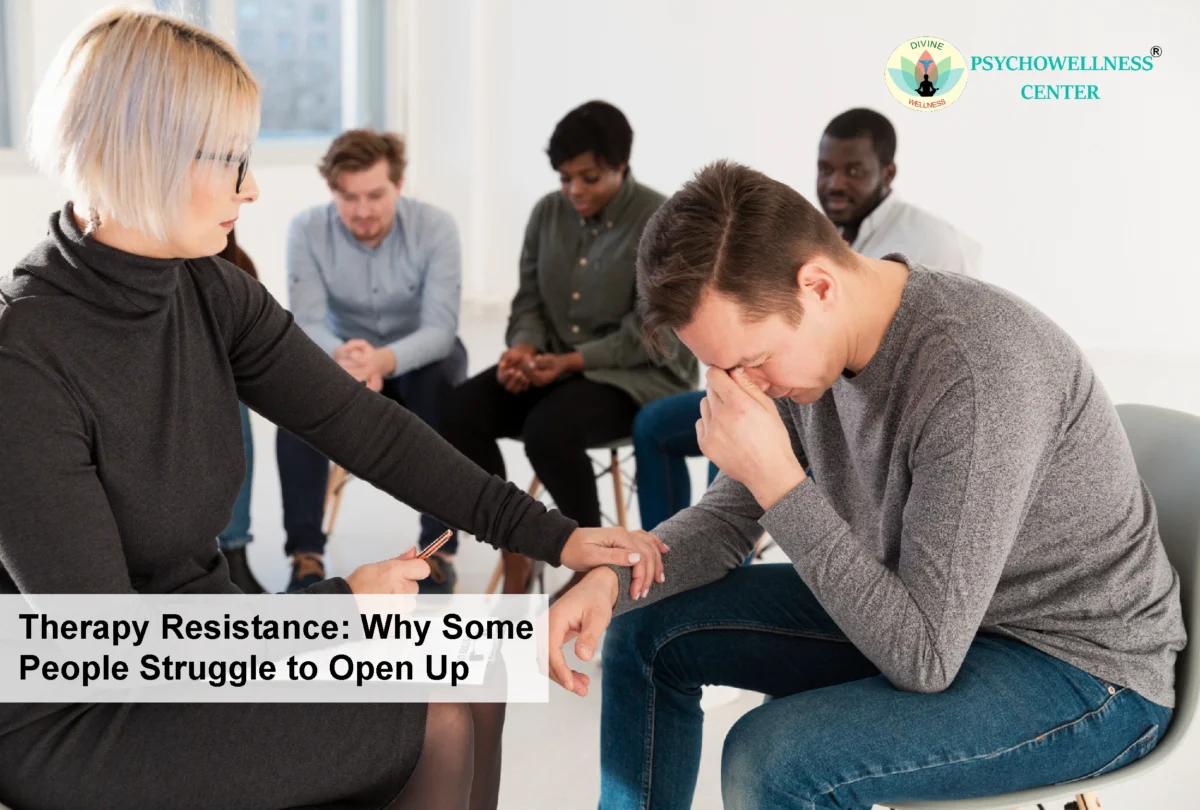
Therapy is often viewed as a safe and supportive space where individuals can express their thoughts, emotions, and concerns without judgment. However, not everyone finds it easy to open up during counseling sessions. Many people attend therapy but struggle to share their deepest feelings, experiences, or vulnerabilities. This phenomenon is known as therapy resistance. While resistance may appear as avoidance, silence, missed appointments, or reluctance to discuss certain topics, it is often a natural psychological defense mechanism rather than a deliberate refusal to engage.
It is crucial to comprehend therapeutic resistance since it might impede treatment efficacy and postpone emotional recovery. Therapists and clients can collaborate to establish a more fruitful therapy relationship by identifying the causes of resistance.
What Is Therapy Resistance?
Therapy resistance refers to any behavior, conscious or unconscious, that prevents an individual from fully engaging in the therapeutic process. Resistance can manifest in different ways, such as changing the subject when discussing painful experiences, minimizing problems, forgetting appointments, or expressing skepticism about therapy.
Rather than viewing resistance as a problem, modern psychology considers it a valuable source of information. It often reveals fears, unresolved conflicts, or emotional wounds that require careful attention.
Common Reasons People Struggle to Open Up
- Fear of Judgment:- One of the most common barriers to openness is the fear of being judged. Individuals may worry that their thoughts, behaviors, or experiences will be viewed negatively by the therapist. This fear can be especially strong among people who have experienced criticism, rejection, or shame in the past. Even though therapists are trained to provide a non-judgmental environment, clients may need time to develop trust and confidence in the therapeutic relationship.
- Difficulty Trusting Others:- Trust is a fundamental component of therapy. Individuals who have experienced betrayal, emotional neglect, abuse, or inconsistent relationships may find it difficult to trust anyone, including a therapist. For such individuals, opening up can feel risky because it requires vulnerability. They may fear being hurt, misunderstood, or abandoned again.
- Emotional Avoidance:- Many people develop coping mechanisms to avoid painful emotions. Suppressing feelings may have helped them survive difficult situations, but it can become a barrier in therapy. Discussing traumatic memories, grief, guilt, or anxiety may trigger emotional discomfort. As a result, individuals may unconsciously avoid topics that feel overwhelming or threatening.
- Cultural and Social Influences:- In many societies, discussing mental health concerns openly is still stigmatized. People are often taught to remain strong, hide emotions, or solve problems independently. These cultural expectations can create internal conflict when seeking help. Clients may feel embarrassed about expressing vulnerability or believe that sharing emotions is a sign of weakness.
- Fear of Change:-Although people seek therapy to improve their lives, change itself can be frightening. Therapy often involves examining long-standing beliefs, behaviors, and relationships. Even unhealthy patterns can feel familiar and predictable. The possibility of change may create uncertainty, leading individuals to resist exploring certain issues.
- Previous Negative Experiences:- Some individuals enter therapy after having disappointing experiences with mental health professionals. They may have felt misunderstood, invalidated, or unsupported in previous counseling sessions. These experiences can create skepticism and make clients hesitant to invest emotionally in a new therapeutic relationship.
Signs of Therapy Resistance
Resistance does not always appear as outright refusal to participate. Common signs include:
- Frequently changing the topic during emotional discussions
- Arriving late or missing appointments
- Giving brief or vague responses
- Avoiding homework assignments
- Excessive intellectualization of emotions
- Expressing doubt about the effectiveness of therapy
- Becoming defensive when certain topics are explored
Recognizing these signs can help therapists address underlying concerns with empathy and understanding.
How Therapists Help Overcome Resistance
- Building a Strong Therapeutic Alliance
One of the best indicators of good outcomes, according to research, is the strength of the therapist-client interaction. A skilled therapist focuses on creating a safe, supportive, and accepting environment where clients feel heard and respected. Individuals seeking a qualified psychologist in Delhi often benefit from professionals who prioritize trust-building and collaborative treatment planning.
2. Moving at the Client’s Pace
Effective therapy respects personal boundaries. Therapists understand that trust develops gradually and avoid pressuring clients to disclose information before they feel ready. Allowing clients to control the pace of disclosure helps reduce anxiety and fosters a sense of safety.
3. Exploring the Meaning Behind Resistance
Instead of confronting resistance directly, therapists explore its purpose. Resistance may serve as protection against emotional pain, fear, or uncertainty. Understanding the function of resistance can transform it from an obstacle into an opportunity for growth.
4. Teaching Emotional Awareness Skills
Many individuals struggle to identify and express emotions. Techniques such as mindfulness, journaling, cognitive restructuring, and emotional regulation exercises can help clients become more comfortable discussing their experiences.
The Importance of Patience in Therapy
Opening up is not a one-time event but a gradual process. Some clients feel comfortable sharing personal experiences during the first session, while others require weeks or months to build trust. People searching for a psychologist in Delhi NCR often expect immediate progress, but meaningful therapeutic change usually occurs through consistent effort and relationship-building over time. Similarly, individuals consulting a best psychologist near me should remember that resistance is not a sign of failure. It is often a normal part of the healing journey.
Seeking Professional Support
When therapy resistance is addressed with empathy and understanding, it can become a powerful catalyst for personal growth. Mental health professionals help clients explore fears, develop coping skills, and build confidence in expressing emotions.
Those looking for the best psychologists in Delhi can benefit from choosing professionals who create a supportive environment and tailor treatment approaches to individual needs. Quality counselling near me focuses not only on symptom reduction but also on fostering self-awareness, emotional resilience, and healthier relationships. Comprehensive psychological counselling in delhi can provide individuals with the guidance needed to navigate emotional challenges and overcome barriers to personal growth.
For individuals seeking professional mental health support, Psychowellness Center offers psychological services through its clinics located in Janakpuri and Dwarka Sector 17, Delhi. Appointments and inquiries can be made by calling 011-47039812 or 7827208707.
Conclusion
Therapy resistance is a common and understandable response rooted in fear, past experiences, emotional avoidance, and concerns about vulnerability. Rather than being viewed as a barrier, resistance can provide valuable insight into a person’s emotional world. With patience, trust, and professional guidance, individuals can gradually become more comfortable sharing their thoughts and feelings, leading to deeper healing and personal growth.
Psychowellness Center provides comprehensive mental health services through experienced psychologists and counselors who focus on creating a safe and supportive therapeutic environment. Through evidence-based interventions and personalized care, clients receive guidance tailored to their unique emotional needs.
TalktoAngel, a leading online counseling platform, also connects individuals with qualified mental health professionals, making psychological support accessible and convenient. Together, these services help people overcome emotional barriers and move toward healthier, more fulfilling lives.
Contributions: Dr. R.K. Suri, Clinical Psychologist, and Ms. Tanu Sangwan, Counselling Psychologist
References
- https://www.psychowellnesscenter.com/Blog/why-your-brain-resists-therapy-even-when-you-need-it-most/
- American Psychological Association. (2023). Understanding psychotherapy and how it works. American Psychological Association. https://www.apa.org
- Norcross, J. C., & Lambert, M. J. (2019). Psychotherapy relationships that work III. Psychotherapy, 56(4), 423–425. https://doi.org/10.1037/pst0000235
- Miller, W. R., & Rollnick, S. (2013). Motivational interviewing: Helping people change (3rd ed.). Guilford Press.
- Safran, J. D., & Muran, J. C. (2000). Negotiating the therapeutic alliance: A relational treatment guide. Guilford Press.
- Wampold, B. E., & Imel, Z. E. (2015). The great psychotherapy debate: The evidence for what makes psychotherapy work (2nd ed.). Routledge.