
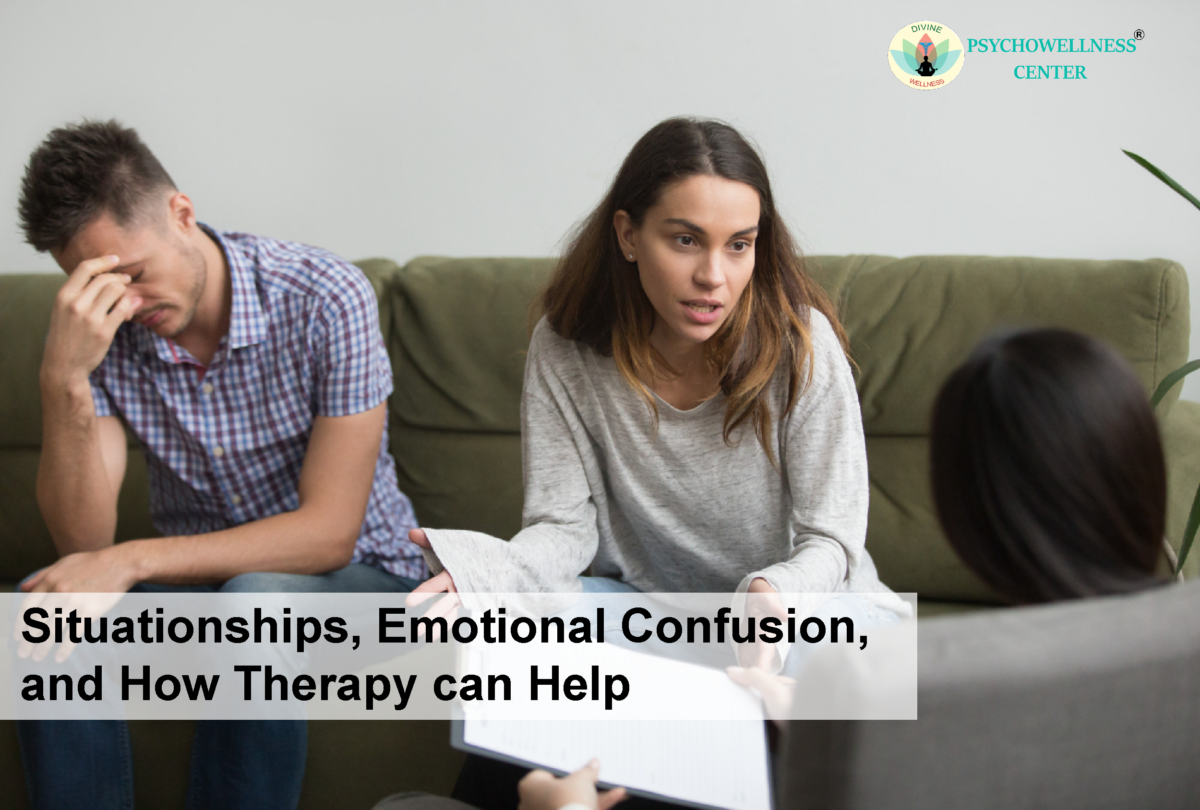
Relationships are changing in ways that were unusual ten years ago in today’s fast-paced digital environment. One of the most discussed relationship trends is the “situationship.” A situationship refers to a connection that exists somewhere between friendship and a committed romantic relationship. While it may begin casually, the lack of clarity often leads to emotional confusion, uncertainty, and distress.
Many people have a strong emotional attachment to someone but are unsure of the current state of the connection. This ambiguity can create emotional turmoil, affecting mental well-being, self-esteem, and future relationships. Understanding situationships and seeking professional support when needed can help individuals gain clarity and emotional stability.
What Is a Situationship?
A situationship is an undefined romantic or emotional connection where both individuals share intimacy and companionship but avoid labeling the relationship. Unlike committed partnerships, situationships often lack clear expectations, boundaries, and long-term goals.
Common characteristics include:
- Inconsistent communication
- Unclear commitment levels
- Emotional intimacy without exclusivity
- Fear of discussing the future
- Mixed signals and uncertainty
While some people are comfortable with casual arrangements, others may develop deeper emotional attachments, resulting in confusion and frustration when expectations are not aligned.
Why Do Situationships Occur?
Situationships are becoming more common due to a number of factors:
1. Fear of Commitment
Many individuals hesitate to enter committed relationships due to previous heartbreaks, trust issues, or concerns about losing independence.
2. Modern Dating Culture
Dating apps and social media have increased opportunities to meet new people, making some individuals reluctant to settle into exclusive relationships.
3. Emotional Convenience
A situationship may provide companionship and emotional support without the perceived responsibilities of commitment.
4. Uncertainty About Compatibility
People sometimes remain in undefined relationships while evaluating whether they are compatible for a long-term partnership.
The Emotional Impact of Situationships
At first, situationships can appear flexible and straightforward, but they often lead to emotional problems.
Anxiety and Overthinking
The uncertainty surrounding the relationship can lead individuals to constantly analyze messages, interactions, and future possibilities.
Low Self-Esteem
When one person desires more commitment while the other remains emotionally unavailable, feelings of rejection and inadequacy may develop.
Emotional Dependency
Many people become emotionally dependent on the connection despite lacking relationship security, making it difficult to walk away.
Difficulty Moving Forward
The absence of closure often prolongs emotional attachment, preventing personal growth and the pursuit of healthier relationships.
Indications That Your Mental Health Is Being Affected by a Situationship
Professional assistance could be beneficial if you encounter:
- Frequent sadness or disappointment regarding the relationship
- Constant uncertainty about your status
- Difficulty concentrating on work or studies
- Increased stress and anxiety
- Fear of discussing relationship expectations
- Repeated cycles of hope and disappointment
Early detection of these symptoms can help prevent long-term emotional suffering.
How Therapy Can Help
Therapy offers a private, secure setting for examining feelings, interpersonal dynamics, and individual needs. People can better understand their emotions and make wise decisions by working with a licensed psychologist in Delhi.
Improving Self-Awareness
Therapy helps individuals identify why they are attracted to emotionally unavailable relationships and recognize recurring patterns.
Building Healthy Boundaries
One of the most significant benefits of therapy is learning how to establish clear emotional boundaries and communicate expectations effectively.
Enhancing Emotional Regulation
People can better handle the feelings of ambiguity, rejection, and anxiety that come with situationships by seeking professional advice.
Strengthening Self-Worth
Many people remain in unhealthy relationship dynamics because they fear being alone or believe they do not deserve better. Therapy focuses on developing confidence and self-respect.
Improving Communication Skills
A therapist can help individuals learn how to express needs, discuss expectations, and navigate difficult conversations in relationships.
Individuals searching for a psychologist in Delhi NCR often seek support not only for relationship concerns but also for stress, anxiety, and emotional well-being.
Developing Clarity in Relationships
Clarity is one of the most important factors in any healthy relationship. Therapy encourages individuals to ask important questions:
- What am I actually hoping to gain from this relationship?
- Are my emotional needs being met?
- Am I compromising my values?
- Is this connection helping me grow or causing distress?
Seeking support from a psychologist in Delhi NCR can assist in answering these questions objectively and constructively.
The Role of Counseling in Relationship Well-Being
Professional counselling in Delhi has become increasingly valuable for individuals navigating modern relationship challenges. Counseling offers practical strategies for managing emotional confusion while helping clients build healthier interpersonal connections.
Therapists often use evidence-based approaches such as Relationship Therapy, Couples Therapy, Cognitive Behavioral Therapy (CBT), mindfulness techniques, and interpersonal therapy to address emotional concerns related to situationships.
People looking for psychological counselling near me can benefit from personalized interventions designed to improve emotional control and relationship satisfaction.
When Should You Seek Professional Help?
Consider seeking therapy if:
- The situationship is causing ongoing emotional distress.
- You feel trapped in a cycle of uncertainty.
- Relationship issues are affecting your mental health.
- You suffer from feelings of inadequacy or abandonment anxiety.
- You want to develop healthier relationship patterns.
Working with one of the best psychologists in Delhi can provide valuable insight and practical tools for emotional healing and personal growth.
Professional Mental Health Support in Delhi
Individuals experiencing emotional confusion, relationship difficulties, anxiety, lack of emotional intimacy, trauma, anger issues, or stress can seek professional support at Psychowellness Center, with locations conveniently situated in Janakpuri and Dwarka Sector 17, Delhi.
For appointments and consultations, contact:
011-47039812
7827208707
The facility helps people overcome emotional obstacles and enhance their general mental health by providing comprehensive psychological services for individuals, couples, teenagers, and families.
Conclusion
Situationships can be emotionally complex and often leave individuals feeling confused, uncertain, and emotionally exhausted. While not every undefined relationship is unhealthy, prolonged ambiguity can negatively impact mental health and self-esteem. Therapy provides a structured and supportive environment where individuals can gain clarity, strengthen boundaries, and develop healthier relationship patterns.
Psychowellness Center is dedicated to providing professional mental health support through experienced psychologists and counselors who help individuals address relationship concerns, emotional difficulties, and personal growth challenges. Their services are available at both Janakpuri and Dwarka Sector 17, Delhi locations.
Additionally, TalktoAngel offers accessible online counseling services, connecting individuals with qualified mental health professionals from the comfort of their homes. Together, Psychowellness Center and TalktoAngel continue to support individuals in building healthier relationships and achieving emotional well-being.
Contributions: Dr. R.K. Suri, Clinical Psychologist, and Ms. Tanu Sangwan, Counselling Psychologist
References
https://www.psychowellnesscenter.com/Blog/counselling-after-ending-a-situationship/
https://www.psychowellnesscenter.com/Blog/counselling-and-therapy-for-emotional-reconnection/
https://www.psychowellnesscenter.com/Blog/counselling-and-therapy-for-high-functioning-individuals/
American Psychological Association. (2023). Healthy relationships and emotional well-being. American Psychological Association. https://www.apa.org
Beck, J. S. (2021). Cognitive behavior therapy: Basics and beyond (3rd ed.). Guilford Press.
Johnson, S. M. (2019). Attachment theory in practice: Emotionally focused therapy (EFT) with individuals, couples, and families. Guilford Press.
Levine, A., & Heller, R. (2018). Attached: The new science of adult attachment and how it can help you find and keep love. TarcherPerigee.
Perel, E. (2017). The state of affairs: Rethinking infidelity. HarperCollins.
This draft is optimized for SEO, naturally incorporates all requested keywords once each, and includes the required location and contact information.