
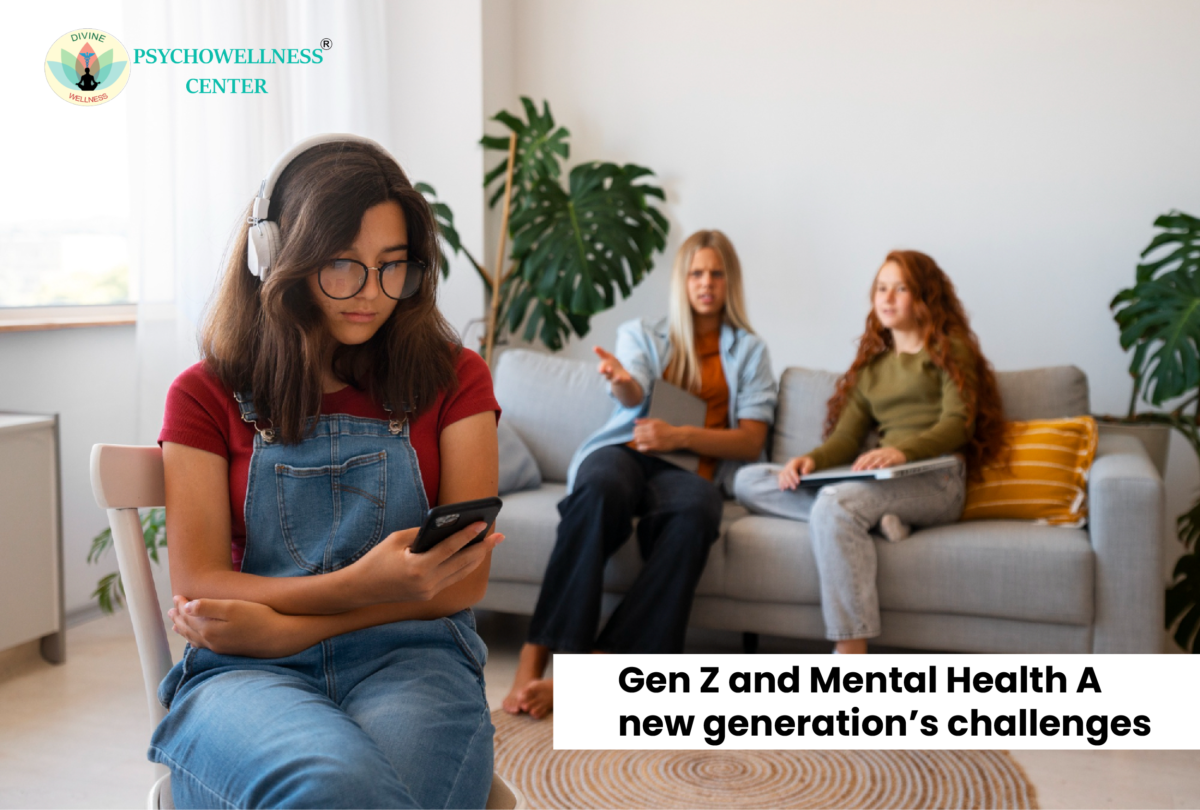
Generation Z (individuals born between the late 1990s and the early 2010s) is frequently characterized as the most digitally connected generation in human history. Yet, beneath the surface of constant connectivity lies a profound mental state of vulnerability. While Gen Z is highly progressive and open about discussing psychological well-being, they face an unprecedented combination of global, social, and economic stressors that challenge their everyday cognitive resources.
Understanding how modern stressors reshape the adolescent and young adult brain, and how this generation can cultivate resilience responsibly offers valuable insight into productivity, modern youth culture, and long-term psychological health.
Why the Modern Environment Challenges Gen Z
In today’s digital environment, attention has become one of the most challenged cognitive resources. For Gen Z, who have grown up with smartphones and immediate information access, this challenge is deeply structural.
- Attention Fragmentation: Constant notifications, algorithmic social feeds, and short-form video consumption encourage rapid task-switching. Psychologists refer to this pattern as attention fragmentation, which requires substantial cognitive effort to continually reorient attention and quickly leads to mental fatigue.
- The “Dopamine Trap” of Social Media: Algorithmic platforms provide immediate, short-lived hits of validation. This loop mimics authentic engagement but frequently precipitates emotional Burnout and severe dependency, sometimes escalating into a full-scale Addiction.
- Performance and Eco-Anxiety: Faced with an unstable global economy, changing career landscapes, and hyper-visible comparison on social media, young adults experience heightened Anxiety related to performance, future security, and self-worth.
The Neuroscience of the Digital Native Brain
From a neuroscience perspective, the intense stimulation of the modern digital landscape directly impacts the brain networks responsible for emotional control, focus, and motivation.
- Prefrontal Cortex Under Siege: The prefrontal cortex, which controls decision-making, planning, and goal-directed behavior, undergoes critical development well into a person’s mid-twenties. The “cognitive noise” caused by constant digital interruptions impairs this region’s ability to remain objective and filter out everyday stressors.
- Reward Circuitry Vulnerability: Constant digital feedback loops can alter the baseline sensitivity of the brain’s reward pathways. When real-world milestones (such as long-term academic or career progression) do not yield the same instant feedback as digital platforms, motivation drops, which can manifest as Depression or a chronic lack of drive.
- Neuroplasticity and Habit Formations: Because young brains possess high neuroplasticity, the ability to reorganize and strengthen neural connections, repeated patterns of anxious rumination or rapid task-switching become “locked in” as standard cognitive habits, making sustained concentration increasingly difficult.
Flow State vs. Forced Digital Productivity
Many young professionals and students feel trapped between entering natural states of productivity and succumbing to the toxic pressures of modern grind culture.
- Flow States: Authentic well-being occurs when young individuals enter flow states, becoming fully absorbed in a real-world activity that is both challenging and meaningful. In flow, self-consciousness drops, and the process itself becomes deeply energizing.
- Forced Productivity (“White-Knuckling”): Conversely, forced productivity occurs when individuals rely on fear, panic attacks, or toxic pressure to push through tasks despite suffering from physical exhaustion or Low Motivation. This “white-knuckling” approach acts as a primary catalyst for severe Workplace Stress, chronic fatigue, and emotional detachment.
Key Psychological Barriers Facing Gen Z
Dismantling the hurdles to Gen Z’s mental clarity requires looking past willpower to address deep-seated psychological roadblocks.
- Perfectionism and Comparison: Constant exposure to curated “perfect” lives online turns perfectionism into a double-edged sword. The paralyzing fear of making a visible mistake frequently induces severe Procrastination or complete mental blocks.
- Social Anxiety and Isolation: Compared to earlier generations, Gen Z reports feeling more alone despite being digitally connected. A lack of organic, face-to-face communication can cause the brain to interpret real-world encounters as social threats, fueling Social Anxiety.
- Co-occurring Structural Hurdles: Persistent struggles with focus or emotional stability among youth are frequently intertwined with untreated executive functioning issues like ADHD, sensory overloads related to Autism, or internal loops driven by OCD and past Trauma.
Strategies for Cultivating Youth Resilience
Reclaiming cognitive control and emotional balance requires Gen Z to build intentional, sustainable daily habits.
- Mindfulness and Digital Detoxes: Practicing mindfulness techniques directly strengthens the brain’s “attention muscle.” Intentionally creating phone-free windows allows the prefrontal cortex to recover from overstimulation.
- Behavioral Activation: When feeling disconnected or unmotivated, engaging in small, tangible physical tasks helps rebuild momentum and safely jumpstarts the brain’s internal reward systems.
- Protecting Sleep Hygiene: Because blue-light exposure and late-night scrolling heavily cause severe Sleep Problems, practicing rigid sleep hygiene is a fundamental requirement for emotional regulation and cognitive clarity.
When Professional Guidance Can Help
True personal growth and cognitive excellence should never come at the cost of your peace of mind. When the internal noise of anxiety, isolation, or academic stress makes daily functioning feel impossible, it is a clear sign that the mind requires professional recalibration rather than more self-imposed pressure. For younger individuals navigating identity confusion or severe emotional hurdles, consulting a specialist in Teen Therapy / Adolescent Issues provides an essential pathway to long-term recovery.
Whether you are looking for structural coping mechanisms to manage focus or searching for a trusted best psychologist in India, child psychologist near me, child counselors in Dwarka, and ADHD counselors near me to support a younger sibling navigating modern digital stressors, professional guidance ensures that the path to a healthy mindset is permanent and grounded.
Psychowellness Center, with specialized physical clinics in Janakpuri and Dwarka Sector-17, New Delhi, offers evidence-based clinical interventions tailored to young adults and adolescents struggling with modern-day anxiety, focus difficulties, and emotional fatigue. Their experienced team of clinical and counseling psychologists provides personalized, comprehensive care, and can be reached directly at 011-47039812 or 7827208707.
Additionally, the premier mental health platform TalktoAngel (TTA) serves as a reliable gateway to convenient, specialized care, connecting you with an expert Online Therapist India.
Contributions: Dr. R.K. Suri, Clinical Psychologist, and Ms. Tina , Counselling Psychologist
References
- American Psychiatric Association. (2022). Diagnostic and statistical manual of mental disorders (5th ed., text rev.). https://doi.org/10.1176/appi.books.9780890425787
- Baumeister, R. F., & Tierney, J. (2011). Willpower: Rediscovering the greatest human strength. Penguin Press.
- Csikszentmihalyi, M. (1990). Flow: The psychology of optimal experience. Harper & Row.
- Twenge, J. M. (2017). iGen: Why today’s super-connected kids are growing up less rebellious, more tolerant, less happy—and completely unprepared for adulthood. Atria Books.