
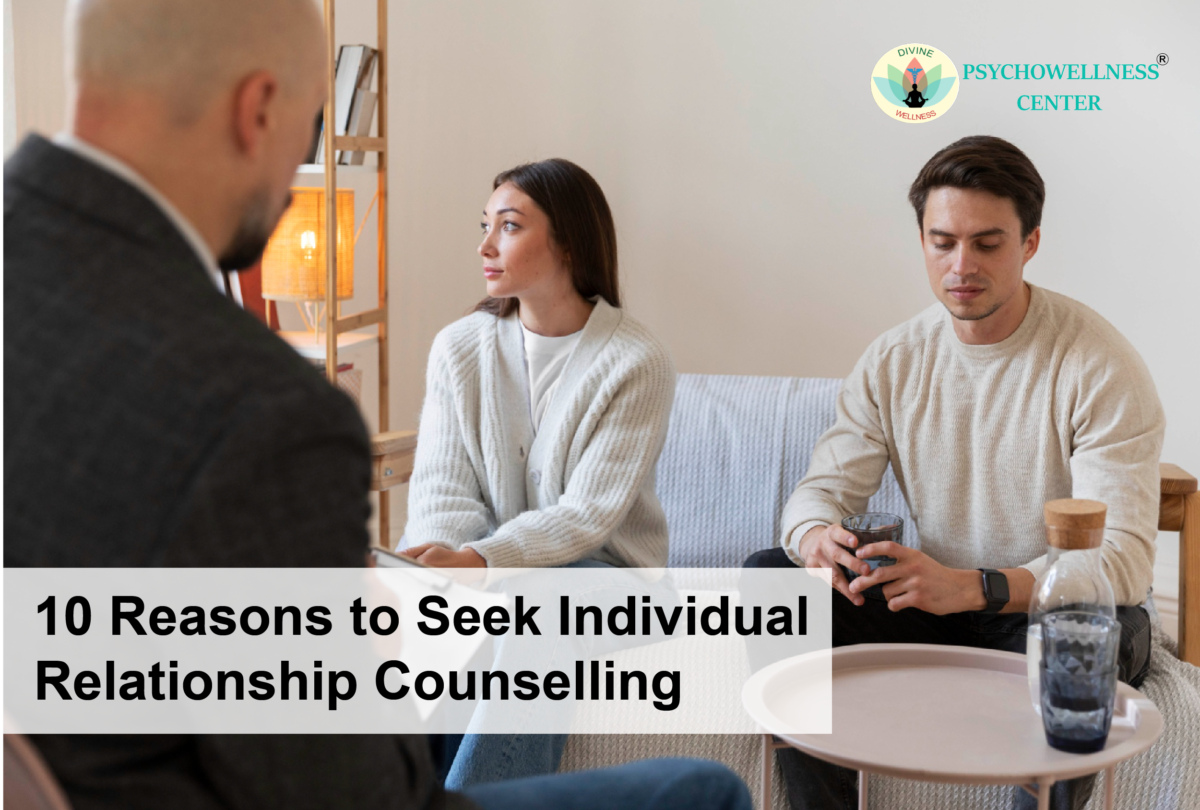
Relationships can be beautiful, comforting, and deeply fulfilling, but let’s be honest, they can also feel confusing, exhausting, and emotionally overwhelming at times. Individual relationship counseling can help you achieve emotional balance and clarity, regardless of whether you are dating, married, separated, or just trying to understand your emotional patterns.
A common misconception is that relationship counseling is limited to couples arguing over who forgot to clean the dishes while seated across from a therapist. Individual relationship counseling actually concentrates on you, your emotions, communication style, boundaries, attachment styles, and personal recovery process.
If your relationships often leave you stressed, emotionally drained, or questioning yourself, here are 10 reasons why seeking professional support may be one of the healthiest decisions you make.
1. You Continue to Use the Same Relationship Patterns
Ever ask yourself, “Why do I end up in a similar kind of situation every time?” Maybe you attract emotionally unavailable partners, struggle with trust, or constantly feel unheard.
Relationship counselling helps uncover unconscious patterns developed through childhood experiences, past heartbreaks, or emotional conditioning. Once you recognize these patterns, you can begin making healthier relationship choices instead of repeating painful cycles.
2. Communication Feels Impossible
One of the primary causes of relationship issues is inadequate communication. Some people avoid conflict entirely, while others react impulsively during disagreements.
Counselling teaches practical communication skills such as active listening, emotional expression, and conflict resolution. If you often feel misunderstood or unable to express your feelings clearly, therapy can help improve emotional connection and understanding.
Sometimes what looks like anger is actually fear, disappointment, or emotional exhaustion hiding underneath.
3. You’re Recovering From a Breakup
Breakups can feel like emotional earthquakes. Even when a relationship ends for the right reasons, the emotional aftermath can leave people feeling lost, rejected, or emotionally numb.
Counselling offers a safe space to process grief, rebuild confidence, and rediscover your identity outside the relationship. It also helps prevent emotional baggage from affecting future relationships.
Healing from heartbreak is not about “moving on quickly.” It’s about understanding yourself better before moving forward.
4. You Struggle With Healthy Boundaries
Do you always put other people’s needs ahead of your own? Do you feel bad about saying no? Continue toxic relationships for longer than you ought to?
A lack of healthy boundaries often leads to emotional burnout and resentment. Through therapy, individuals learn how to protect their emotional wellbeing without feeling selfish.
Building boundaries doesn’t push people away, it creates healthier and more respectful relationships.
5. Emotional Stress Is Affecting Your Mental Health
Strong emotional reactions, such as anxiety, depression, trauma, obsessive thoughts, melancholy, anger, and emotional tiredness, can be brought on by relationship difficulties. Sleep, focus, and self-esteem might be affected by persistently overanalyzing texts, disagreements, or emotional estrangement.
Individual counselling helps people regulate emotions, identify triggers, and manage relationship-related stress more effectively. Sometimes the issue is not just the relationship itself, but how unresolved emotions are being carried internally.
Seeking support early can prevent emotional strain from turning into long-term mental health difficulties.
6. You’re Dealing With a Toxic Relationship
Not every difficult relationship is toxic, but some are emotionally harmful. Constant criticism, manipulation, emotional neglect, or controlling behaviour can deeply affect self-worth and mental health.
People in toxic relationships often begin doubting their instincts and blaming themselves for everything going wrong.
Therapy can assist people in recognizing dysfunctional relationships, regaining self-assurance, and determining the best course of action going forward. It also helps people recognize emotional red flags before entering future relationships.
7. Trust Issues Are Ruining Your Relationships
Trust issues don’t always come from betrayal in romantic relationships. Sometimes they stem from childhood experiences, abandonment, emotional neglect, or past disappointments.
If you constantly fear rejection, assume the worst, or struggle to open up emotionally, counselling can help you understand where these fears originate.
Healthy emotional intimacy is made possible by self-awareness and emotional healing, but regaining trust takes time.
8. You Want Better Emotional Control During Conflicts
Some people shut down emotionally during arguments, while others react impulsively with frustration or defensiveness. Neither response helps resolve the conflict effectively.
Counselling can help improve emotional regulation and anger management during stressful situations. Instead of reacting immediately, individuals learn healthier ways to express emotions calmly and constructively.
Relationships improve significantly when emotional reactions become more balanced and intentional.
9. You Feel Lonely Even While in a Relationship
One of the most painful experiences is feeling emotionally disconnected while still being with someone. Emotional loneliness can happen when communication fades, intimacy weakens, or emotional needs remain unspoken.
Many individuals silently experience loneliness within relationships because they fear being judged or misunderstood.
Relationship therapy helps people explore emotional needs, improve vulnerability, and strengthen emotional connection, not just with partners, but with themselves as well.
10. You Want Personal Growth and Healthier Relationships
You don’t need a major crisis to seek counselling. Sometimes people simply want healthier relationships, stronger self-awareness, and emotional growth.
Relationship counselling can improve self-esteem, self-confidence, emotional intelligence, and decision-making. It encourages individuals to understand what they truly want from relationships instead of settling for unhealthy patterns.
In many ways, therapy is not just about fixing relationships; it is about becoming emotionally healthier overall through self-improvement and greater emotional awareness.
How Individual Relationship Counselling Helps
Assigning blame or determining who is “right” or “wrong” are not the goals of relationship counseling. Rather, it concentrates on comprehending the feelings, actions, communication styles, and individual experiences that impact relationships.
To assist people, professional therapists employ evidence-based strategies:
- Build healthier communication habits
- Develop emotional control
- Better emotional intimacy
- Strengthen self-esteem
- Heal from emotional wounds
- Improve coping strategies
- Create healthier relationship boundaries
- Reduce stress and emotional confusion
Above all, counseling facilitates self-discovery.
Conclusion
Seeking therapy for relationship concerns is a sign of emotional strength, not weakness. Whether you are navigating heartbreak, emotional confusion, trust issues, or simply trying to build healthier connections, professional guidance can make a meaningful difference.
At Psychowellness Center, individuals can access professional support from experienced therapists and psychologists who specialise in emotional wellbeing and relationship concerns. If you have been searching for relationship counselling near me, marriage counselling near me, or the best psychologists in Delhi, Psychowellness Center offers compassionate and personalised mental health support designed to help individuals build healthier and happier relationships.
Psychowellness Center is available at Janakpuri and Dwarka Sector-17, Delhi. For appointments or enquiries, you can contact: 011-47039812 / 7827208707.
Contributions: Dr. R.K. Suri, Clinical Psychologist, and Ms. Mansi, Counselling Psychologist
References
Gottman, John M., & Silver, Nan. (2015). The seven principles for making marriage work. Harmony Books.
https://www.psychowellnesscenter.com/Blog/10-benefits-of-seeking-pre-marriage-counselling/
https://www.psychowellnesscenter.com/Blog/everything-you-need-to-know-about-relationship-counseling/
https://www.psychowellnesscenter.com/Blog/best-relationship-counsellor-in-north-east-delhi/
https://www.psychowellnesscenter.com/Blog/benefits-of-in-clinic-relationship-counselling-sessions/
Johnson, Sue. (2019). Attachment theory in practice: Emotionally focused therapy (EFT) with individuals, couples, and families. Guilford Press.
American Psychological Association. (2023). Understanding psychotherapy and how it works. American Psychological Association