
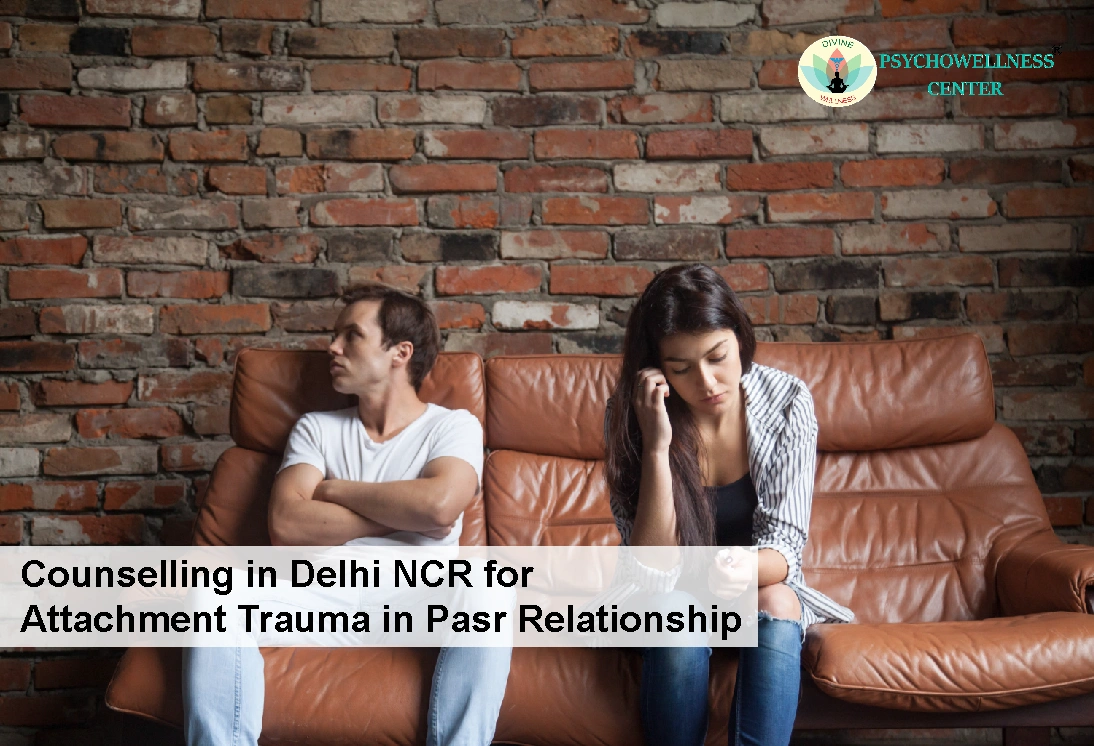
Relationships are meant to provide emotional safety, trust, and connection. Deep emotional scars, however, can result from traumatic events like betrayal, abandonment, emotional neglect, manipulation, or repeated heartache. These wounds often develop into what mental health professionals describe as attachment trauma. Many individuals who struggle with fear of rejection, emotional dependency, trust issues, or difficulty maintaining healthy relationships may actually be carrying unresolved attachment trauma from past relationships.
Today, more people are seeking professional counselling in Delhi NCR to heal from unhealthy relationship patterns and rebuild emotional confidence. Therapy offers a safe space to understand emotional triggers, process painful experiences, and create healthier ways of connecting with others.
Understanding Attachment Trauma
Attachment trauma develops when emotional bonds in close relationships become a source of pain instead of comfort. While attachment patterns often begin in childhood, adult relationships can also create attachment wounds, especially when there is emotional abuse, infidelity, abandonment, or inconsistent affection. Experts explain that attachment trauma can lead to anxiety, emotional insecurity, fear of intimacy, and difficulty trusting others.
People with attachment trauma may feel trapped in repetitive emotional cycles. They may become overly dependent on partners, constantly fear rejection, avoid emotional closeness, or struggle with intense emotional reactions during conflict.
Signs You May Be Experiencing Attachment Trauma
Attachment trauma can affect emotional well-being, self-esteem, and daily relationships. Some common signs include:
- Fear of abandonment or being left alone
- Difficulty trusting romantic partners
- Overthinking text messages or conversations
- Emotional numbness after breakups
- Constant need for reassurance
- Anxiety during emotional intimacy
- Avoiding commitment because of fear
- Attracting emotionally unavailable partners
- Feeling emotionally exhausted in relationships
- Difficulty setting healthy boundaries
Mental health professionals note that unresolved attachment wounds can create anxious, avoidant, or disorganized attachment patterns in adulthood.
How Past Relationships Create Emotional Trauma
Not every breakup causes attachment trauma. However, certain relationship experiences can deeply impact emotional security, including:
Emotional Neglect
When one partner consistently ignores emotional needs, the other may begin to feel invisible or unworthy of love.
Betrayal and Infidelity
Cheating often damages trust and creates long-lasting fears around intimacy and vulnerability.
Toxic or Manipulative Relationships
Gaslighting, control, criticism, or emotional inconsistency can create confusion and emotional dependency.
Sudden Abandonment
Unexpected endings or ghosting can trigger intense feelings of rejection and insecurity.
Repeated Relationship Failures
Multiple painful relationships may reinforce negative beliefs such as “I am not lovable” or “People always leave.”
Research suggests that repeated emotional injuries can affect the nervous system and emotional control, making future relationships feel unsafe.
Why Professional Counselling Matters
Many people try to suppress emotional pain by staying busy, avoiding relationships, or pretending they are “fine.” Unfortunately, unresolved attachment trauma often resurfaces in future relationships. Professional counselling helps individuals understand why certain emotional patterns continue and how healing can begin.
When people work with a therapist, they can:
- Understand attachment styles
- Identify unhealthy relationship patterns
- Improve emotional regulation
- Build self-worth and self-confidence
- Learn healthy communication skills
- Develop emotional boundaries
- Process grief and heartbreak
- Rebuild trust in relationships
A qualified psychologist in Delhi can provide evidence-based therapeutic approaches that support emotional healing and long-term relationship growth.
Common Therapy Approaches for Attachment Trauma
Counsellors in Delhi NCR often use different therapeutic techniques depending on the individual’s emotional needs and relationship history.
Cognitive Behavioral Therapy (CBT)
CBT assists people in recognizing harmful thinking patterns associated with fear, rejection, and self-worth. It supports healthier thinking and emotional responses.
This approach helps process painful emotional memories and reduce emotional triggers connected to past relationships.
Emotionally Focused Therapy (EFT)
EFT focuses on emotional bonding patterns and helps individuals create healthier emotional connections.
Mindfulness-Based Counselling
People can better control their anxiety, emotional reactivity, and overthinking by practicing mindfulness.
Inner Child Healing
This therapy explores childhood emotional wounds that may influence adult attachment patterns.
Secure attachment, in which relationships feel solid, balanced, and emotionally safe, can be progressively attained with the aid of therapy.
The Importance of Self-Awareness During Healing
It is not necessary to blame your former partner or yourself in order to heal attachment trauma. It is about becoming aware of emotional patterns and learning healthier ways to respond.
Many people discover through counselling that they unconsciously repeat emotional behaviors learned from earlier experiences. Some may become clingy during conflict, while others emotionally withdraw to avoid pain.
Through therapy, individuals begin to understand:
- What triggers emotional insecurity
- Why certain relationships feel addictive
- How fear influences emotional reactions
- What a healthy emotional connection looks like
This awareness creates the foundation for lasting emotional healing.
Attachment Styles and Relationship Patterns
Mental health professionals commonly identify four major attachment styles:
Secure Attachment
People are at ease with both healthy independence and emotional intimacy.
Anxious Attachment
People frequently look for ongoing reassurance because they fear abandonment.
Avoidant Attachment
People struggle with vulnerability and steer clear of emotional closeness.
Disorganized Attachment
This style combines fear of intimacy with fear of rejection, often resulting from trauma.
People can improve their emotional stability and relationship satisfaction by learning more about attachment types through counseling.
Healing Is Possible
Particularly following repeated loss or emotional suffering, attachment trauma can feel debilitating. However, healing is possible with the right therapy approach and emotional support. Recovering does not entail forgetting traumatic events. Instead, it means learning how to feel emotionally safe again without fear controlling your relationships.
Therapy encourages individuals to develop healthier emotional habits, stronger self-worth, and more fulfilling relationships. Over time, people often experience reduced anxiety, improved emotional regulation, and greater confidence in building emotional intimacy.
If you are searching for a therapist near me or looking for support from a Counseling Doctor Near me, seeking help early can make a significant difference in emotional recovery. Professional counselling psychologist near me can provide a safe and confidential environment to heal attachment wounds and rebuild emotional well-being.
Conclusion
Attachment trauma from past relationships can deeply affect emotional health, trust, and future connections. Unresolved emotional wounds may lead to anxiety, insecurity, fear of abandonment, or unhealthy relationship patterns. Seeking support through counselling helps individuals understand these emotional struggles and begin the journey toward healing and emotional resilience.
With guidance from experienced psychologists in Delhi NCR, individuals can learn to rebuild self-confidence, improve emotional awareness, and form healthier relationships. Professional therapy provides the emotional tools needed to heal from past pain and move toward a more secure and emotionally balanced future.
For professional counselling support, visit centers in Janakpuri, Delhi and Dwarka Sector 17, Delhi | Contact Numbers: 011-47039812 / 7827208707.
Contributions: Dr. R.K. Suri, Clinical Psychologist, and Ms. Tanu Sangwan, Counselling Psychologist
References
https://www.psychowellnesscenter.com/service-relationship-issues-counselling-delhi/
https://www.psychowellnesscenter.com/service-trauma-counselling-delhi/
https://www.psychowellnesscenter.com/Blog/best-psychologists-in-delhi-for-trauma-informed-therapy/
Bowlby, J. (1988). A secure base: Parent-child attachment and healthy human development. Basic Books.
Levine, A., & Heller, R. S. F. (2010). Attached: The new science of adult attachment and how it can help you find and keep love. TarcherPerigee.
Mikulincer, M., & Shaver, P. R. (2016). Attachment in adulthood: Structure, dynamics, and change (2nd ed.). Guilford Press.
Siegel, D. J. (2020). The developing mind: How relationships and the brain interact to shape who we are (3rd ed.). Guilford Press.
Van der Kolk, B. A. (2015). The body keeps the score: Brain, mind, and body in the healing of trauma. Penguin Books.