
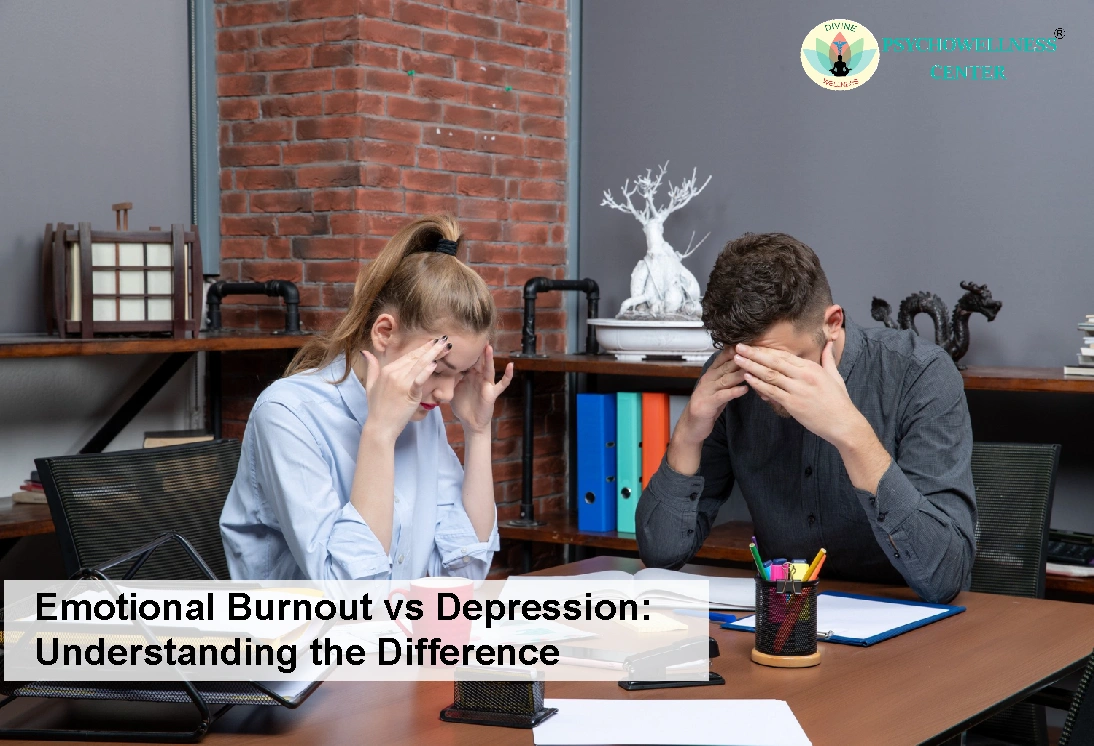
In today’s fast-paced world, many people experience persistent stress, exhaustion, and emotional strain. Terms such as “burnout” and “depression” are often used interchangeably, yet they are not the same condition. While both can significantly impact mental health, daily functioning, and overall well-being, understanding the differences between emotional burnout and depression is essential for seeking the right support and treatment.
At the Psychowellness Center in Delhi, professionals frequently work with individuals who struggle to determine whether they are experiencing burnout, depression, or a combination of both. Recognizing the unique characteristics of each condition can help individuals take appropriate steps toward recovery and improved mental health.
What Is Emotional Burnout?
A condition of physical, mental, and emotional tiredness brought on by extended stress exposure is known as emotional burnout. It commonly occurs when individuals feel overwhelmed by ongoing demands at work, home, caregiving responsibilities, academic pressures, or other life challenges.
Burnout develops gradually over time and often results from chronic stress without adequate opportunities for rest, recovery, or emotional support. The World Health Organization (WHO) recognizes burnout as an occupational phenomenon characterized by exhaustion, increased mental distance from one’s work, and reduced professional effectiveness.
Common Signs of Emotional Burnout
- Persistent fatigue and low energy
- Feeling overwhelmed or emotionally drained
- Reduced motivation and productivity
- Difficulty concentrating
- Irritability and frustration
- Cynicism or detachment from responsibilities
- Increased absenteeism or avoidance behaviors
- Sleep disturbances
Individuals experiencing burnout often notice that their symptoms are closely linked to specific stressors. For example, they may feel exhausted when thinking about work but experience temporary relief during vacations, weekends, or periods of reduced responsibility.
What Is Depression?
Depression, or Major Depressive Disorder (MDD), is a mental health condition that affects a person’s thoughts, emotions, behaviors, and physical functioning. Unlike burnout, depression is not limited to a specific environment or stressor and can impact every aspect of life.
Persistent emotions of melancholy, hopelessness, emptiness, or disinterest in once-enjoyable activities are characteristics of depression. These symptoms typically last for at least two weeks and significantly interfere with daily functioning.
Common Symptoms of Depression
- Persistent sadness or low mood
- Loss of interest or pleasure in activities
- Feelings of hopelessness or worthlessness
- Excessive guilt or self-criticism
- Changes in appetite or weight
- Sleep difficulties or excessive sleeping
- Fatigue and low energy
- Difficulty concentrating or making decisions
- Social withdrawal
- Thoughts of death or suicide
Unlike burnout, depression often persists regardless of changes in workload or environment. Even pleasurable pursuits, trips, or time away from stressful situations can not offer much respite.
Key Differences Between Burnout and Depression
Although burnout and depression share several symptoms, there are important distinctions.
1. Source of Distress
Burnout is typically linked to chronic stress related to work, caregiving, academics, or other ongoing responsibilities. Depression may occur with or without identifiable stressors and affects multiple areas of life.
2. Emotional Experience
Individuals with burnout often feel overwhelmed, exhausted, and emotionally depleted. Those with depression frequently experience deep sadness, hopelessness, and loss of interest in previously enjoyable activities.
3. Impact on Daily Life
Burnout primarily affects areas associated with the source of stress, such as work performance. Depression impacts emotional, social, occupational, and personal functioning more broadly.
4. Response to Rest
People experiencing burnout often notice improvement when stressors are reduced and adequate rest is obtained. Depression typically requires professional intervention and may not improve solely through rest or time off.
5. Self-Perception
Burnout may lead to frustration and dissatisfaction with circumstances, while depression often includes persistent feelings of worthlessness, guilt, or self-blame.
Can Burnout Lead to Depression?
Yes. If emotional burnout remains unaddressed for an extended period, it can increase vulnerability to depression. Chronic stress can negatively affect emotional control, sleep quality, physical health, and coping abilities, creating conditions that contribute to depressive symptoms.
Therefore, early recognition and intervention are important. Addressing burnout before it progresses can help protect long-term mental health and prevent more severe psychological difficulties.
Strategies for Managing Burnout
If burnout is identified early, several strategies may help:
- Set up sensible boundaries between your personal and professional lives.
- Prioritize adequate sleep and self-care.
- Take regular breaks and vacations.
- Practice mindfulness and relaxation techniques.
- Delegate responsibilities when possible.
- Engage in activities that promote enjoyment and recovery.
Treatment Approaches for Depression
Depression often requires a more comprehensive treatment approach, including:
- Psychotherapy
- Cognitive Behavioral Therapy (CBT)
- Interpersonal Therapy (IPT)
- Mindfulness-based therapy
- Lifestyle modifications
- Medication, when recommended by a psychiatrist
- Social support and community engagement
Professional assessment is important because symptoms of depression can vary significantly between individuals.
How Integrative Psychotherapy Can Help
Integrative psychotherapy addresses the emotional, cognitive, behavioral, and physical aspects of mental health. Therapists can customize treatment to meet the needs of each patient by integrating evidence-based therapeutic approaches.
For burnout, therapy may focus on stress management, boundary-setting, emotional regulation, and lifestyle balance. Negative thought patterns, emotional anguish, marital problems, low self-esteem, and underlying psychological reasons causing symptoms can all be addressed during depression treatment.
An integrative approach recognizes that multiple factors influence mental health and supports healing at both the psychological and physiological levels.
PsychoWellness Center: Comprehensive Support for Emotional Wellness
PsychoWellness Center is dedicated to promoting mental and emotional well-being through compassionate, evidence-based psychological services. The center offers counseling, psychotherapy, and mental health support for individuals dealing with emotional burnout, depression, anxiety, stress, relationship challenges, and other psychological concerns. With a client-centered and integrative approach, the team of experienced mental health professionals, including the best psychologists in Delhi NCR, best counselors in Dwarka, and psychological counseling in Delhi works collaboratively with individuals to identify underlying issues, build resilience, develop healthy coping mechanisms, and foster long-term emotional growth.
To ensure accessible mental health care, PsychoWellness Center serves clients from its clinics in Janakpuri and Dwarka Sector-17, New Delhi. Individuals seeking professional psychological support can schedule an appointment by calling 011-47039812 or 7827208707. Through personalized therapeutic interventions and a supportive environment, the center strives to help individuals achieve greater emotional balance, psychological well-being, and a healthier quality of life.
Conclusion
Although there are certain symptoms that emotional exhaustion and depression have in common, they are two different diseases that call for different management and treatment strategies. Burnout is primarily associated with chronic stress and exhaustion, whereas depression is a broader mental health condition affecting mood, thoughts, behaviors, and overall functioning. Understanding these differences can help individuals recognize when professional support may be needed. Early intervention, self-care, and evidence-based psychotherapy can play a vital role in restoring emotional balance and promoting long-term mental wellness.
Contributions: Dr. R.K. Suri, Clinical Psychologist, and Ms. Sakshi Dhankhar, Counselling Psychologist
References
American Psychiatric Association. (2022). Diagnostic and statistical manual of mental disorders (5th ed., text rev.). American Psychiatric Publishing.
https://www.psychowellnesscenter.com/Blog/burnout-vs-depression-how-to-spot-the-difference/
https://www.psychowellnesscenter.com/Blog/therapy-and-counselling-for-clinical-depression/
https://www.psychowellnesscenter.com/Blog/ways-to-support-a-depressed-partner/
https://www.psychowellnesscenter.com/Blog/burnout-strategies-for-stress-management-and-job-stress/
Schaufeli, W. B., Desart, S., & De Witte, H. (2020). Burnout assessment tool (BAT)—Development, validity, and reliability. International Journal of Environmental Research and Public Health, 17(24), 9495.
World Health Organization. (2019). Burn-out an occupational phenomenon: International Classification of Diseases. World Health Organization. https://www.who.int