
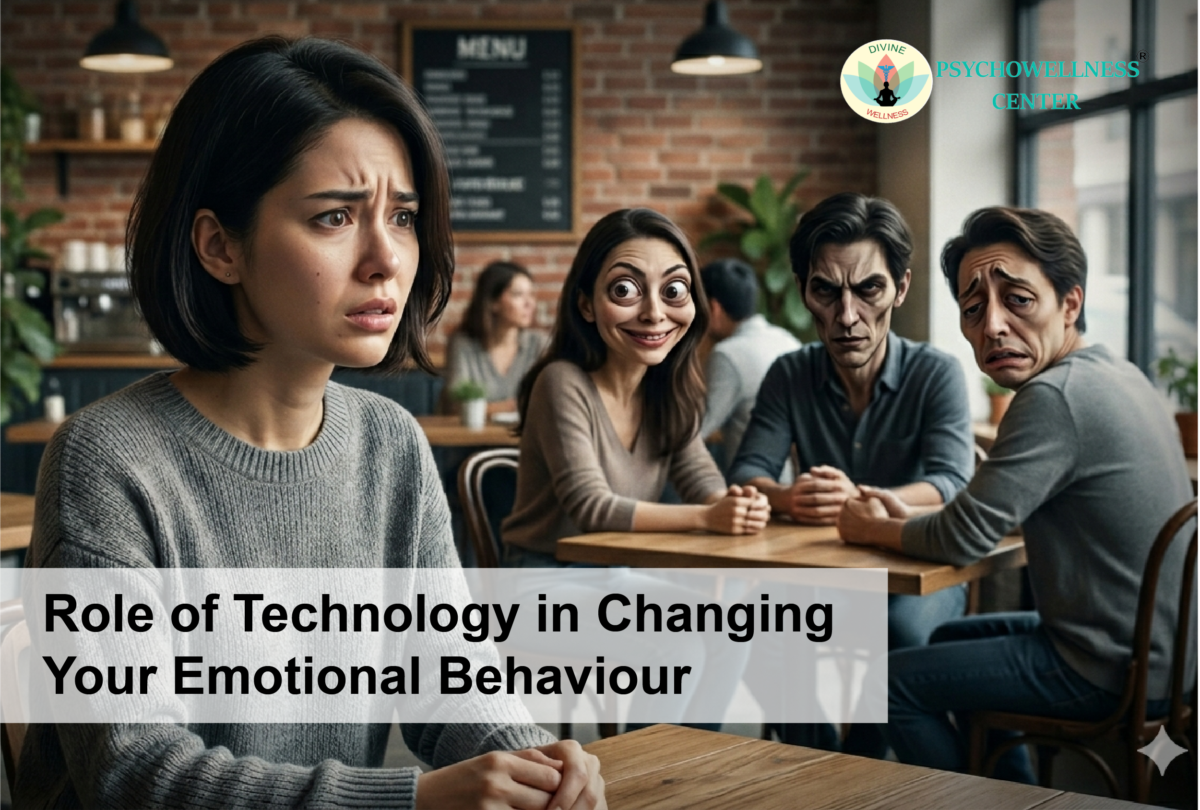
Prosopometamorphopsia (PMO) is an exceptionally rare and deeply unsettling neurological condition that alters the way the brain processes human faces. Individuals with PMO do not hallucinate imaginary people or creatures; instead, their visual system distorts real facial features in dramatic ways. Faces may appear warped, asymmetrical, drooping, stretched, or shifted, and many patients describe the experience as “demonic” because expressions and proportions can suddenly look frightening or unnatural.
The disorder is linked to disruptions in the brain’s facial recognition and visual perception networks, particularly regions responsible for interpreting facial structure and emotional cues. Episodes may occur continuously or intermittently and can significantly affect social interaction, emotional well-being, concentration, and day-to-day functioning. Because PMO is so uncommon, it is often misunderstood or misdiagnosed as a psychiatric condition rather than a neurological one. Greater awareness, clinical research, and compassionate support are essential for helping affected individuals regain confidence, mental clarity, and stability in everyday life.
Why Facial Perception Becomes Distorted
In our modern digital environment, the brain is constantly tasked with processing complex social information. When the systems responsible for this processing fail, the result is “attention fragmentation” of the visual field.
- Cognitive Misalignment: Each time an individual with PMO looks at a face, the brain requires additional cognitive effort to reconcile the distorted image with reality, leading to rapid mental fatigue.
- Performance Anxiety: The distress of seeing distorted faces often leads to significant Anxiety and frustration, particularly in workplace or social settings where sustained attention is required.
- Social Isolation: Because the “demon face” imagery is so startling, many individuals experience a reduced motivation to engage socially, which can impact their overall psychological well-being.
The Neuroscience of PMO
From a neuroscience perspective, PMO involves specific regions of the brain responsible for facial recognition and goal-directed behaviour.
- The Prefrontal Cortex: Normally, this region helps filter distractions and prioritise relevant information. In PMO, the “cognitive noise” of the distortions interferes with the brain’s ability to maintain a harmonious state of engagement.
- Visual Processing Pathways: Distortions often result from lesions or abnormalities in the neural pathways associated with learning and visual problem-solving.
- Neuroplasticity: While the condition is biological, the brain’s ability to reorganise, known as neuroplasticity, offers hope that individuals can eventually cultivate compensatory strategies for healthy focus.
Flow State vs. Forced Productivity
Navigating PMO requires a careful balance between pushing through daily tasks and allowing the brain time for recovery.
- Flow States: When an individual is fully absorbed in a task that does not rely heavily on facial processing, they may enter a flow state, temporarily losing track of the stress induced distortions.
- Forced Productivity: “White-knuckling” through social interactions despite the visual distress often leads to Workplace Stress, Burnout, and emotional fatigue.
- Sustainable Focus: Authentic productivity for those with PMO involves identifying tasks aligned with their strengths that do not rely solely on visual-social pressure.
Psychological Barriers and Co-occurring Conditions
The distress of PMO often acts as a double-edged sword, creating deep-seated psychological barriers.
- Anxiety and Low Self-Doubt: The fear of a distortion occurring during a meeting can create a loop of low self-esteem that disrupts the attention span.
- Perfectionism: The desire to “see correctly” can lead to mental blocks or procrastination in social duties.
- Underlying Depression: Chronic focus on these distressing visual patterns can compromise the brain’s reward system, leading to symptoms of Depression.
Strategies and Treatment for Healthy Focus
Developing the ability to “lock in” to daily life despite PMO requires intentional behavioral strategies.
- Cognitive Behavioural Therapy (CBT): This approach is highly effective in helping individuals recognise negative thought cycles regarding their vision and replace them with constructive cognitive strategies.
- Creating Safe Environments: Mitigating “digital noise” and Social Media Addiction can help the brain maintain its limited cognitive resources.
- Mindfulness: Practising mindfulness can strengthen the “attention muscle,” allowing individuals to observe the distortion without succumbing to a panic spiral.
When Professional Guidance Can Help
While lifestyle changes and behavioural strategies are beneficial, PMO is a complex condition that often requires structured clinical support. Because the distortions can mimic symptoms of other conditions, consulting a specialist is essential to identify the underlying cause and develop practical coping techniques.
If you are struggling with distressing visual perceptions or persistent distractions that hinder your Career goals, seeking support from a psychologist in Delhi NCR can be a transformative step. Psychowellness Center, with specialized clinics in Janakpuri and Dwarka Sector-17, New Delhi, offers evidence-based interventions tailored to improving cognitive focus and emotional resilience. Their experienced team of clinical psychologists & counselling psychologists is available at 011-47039812 or 7827208707 to provide personalised mental health guidance, compassionate support, and professional therapeutic care tailored to individual needs.
Additionally, provides access to the best counsellors in Janakpuri, allowing you to seek psychological counselling in Delhi or remote support from the comfort of your home for well-being. Mastering the art of “locking in” to your life is about training the brain to focus with intention, fostering mindfulness, and cultivating a resilient mindset through the best counsellors near me and professional care.
Contributions: Dr. R.K. Suri, Clinical Psychologist, and Ms. Mansi , Counselling Psychologist
References
- Blom, J. D. (2021). Prosopometamorphopsia and facial hallucinations. Cortex, 137, 242–263. https://doi.org/10.1016/j.cortex.2021.01.012
- Duchaine, B., & Mello, A. (2024). Visualising facial distortions in prosopometamorphopsia. The Lancet, 403(10432), 1176. https://doi.org/10.1016/S0140-6736(24)00136-3
- Herald, S. B., Mello, A., Duchaine, B., & Germine, L. (2023). Face distortions in prosopometamorphopsia provide new insights into the organization of face perception. Neuropsychologia, 185, 108567. https://doi.org/10.1016/j.neuropsychologia.2023.108567
- https://www.psychowellnesscenter.com/Blog/how-to-recognize-and-treat-persistent-delusional-disorder/