
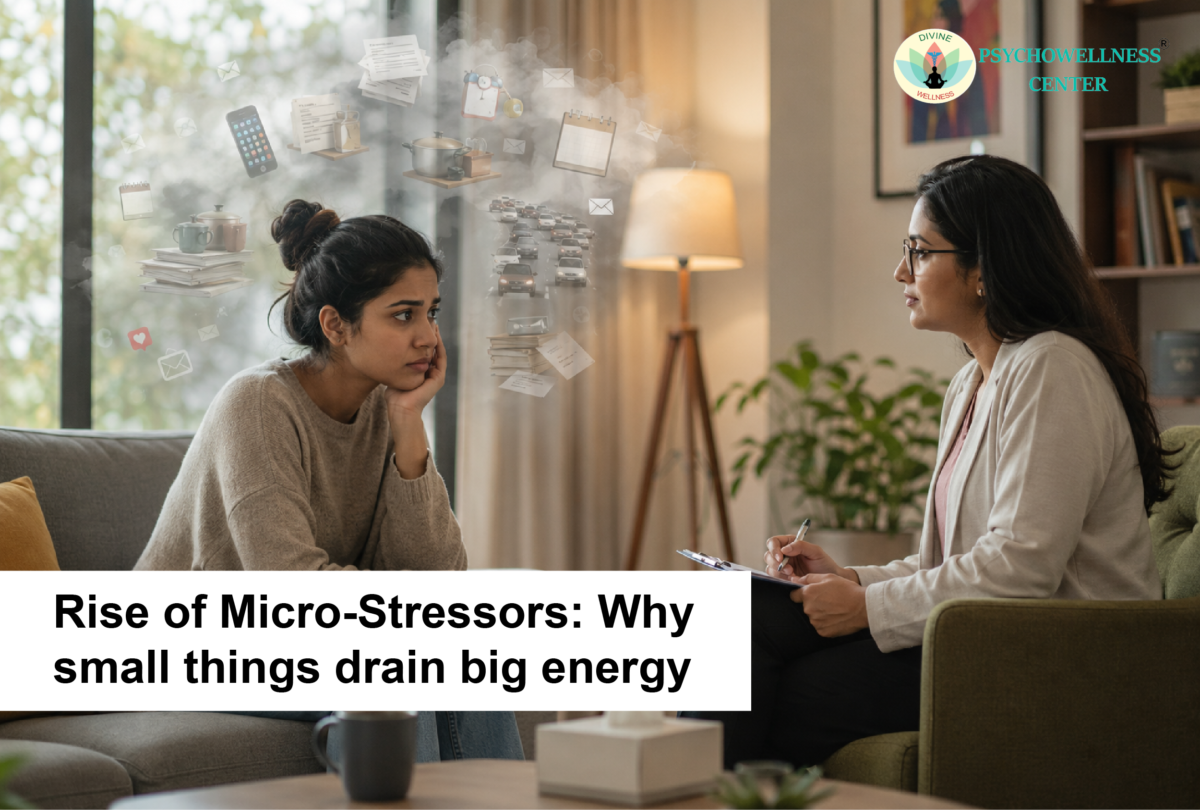
Not every stressful experience comes from a major life crisis. Sometimes, the things that exhaust us the most are surprisingly small: unread emails, constant notifications, traffic jams, passive-aggressive messages, endless multitasking, social pressure, and daily emotional interruptions. Individually, these moments may seem harmless. But together, they slowly chip away at our emotional energy, mental clarity, and overall well-being. These hidden emotional burdens are known as micro-stressors.
In today’s fast-paced world, people are constantly exposed to small stress triggers that quietly accumulate throughout the day. Over time, these repeated emotional interruptions can affect productivity, relationships, focus, sleep, and mental health. Understanding the psychology behind micro-stressors is important because sometimes it is not the “big problems” exhausting people, it is the endless accumulation of small ones.
What Are Micro-Stressors?
Micro-stressors are small, routine stress-inducing experiences that create emotional strain over time. Unlike major stressful events, micro-stressors often appear insignificant in isolation.
Examples include:
- Constant phone notifications
- Work interruptions
- Traffic delays
- Unanswered messages
- Social media comparison
- Tight deadlines
- Minor conflicts
- Emotional tension at home
- Feeling constantly “on call”
- Digital overload
People often ignore these experiences because they seem too minor to matter. However, the brain and body still process them as stress signals. When repeated daily, these small stressors create cumulative emotional exhaustion.
Why Small Stressors Feel So Draining
One of the biggest reasons micro-stressors are exhausting is that they rarely allow the mind to fully recover. Unlike major stressful events that eventually end, small stressors tend to repeat continuously throughout the day. The brain remains in a low-level alert state, making it difficult to fully relax. This ongoing emotional activation can increase:
- Irritability
- Emotional overwhelm
- Difficulty concentrating
- Sleep disturbances
- Reduced patience
- Physical exhaustion
Over time, prolonged exposure to these emotional interruptions can contribute to chronic stress and emotional burnout.
The Brain’s Response to Micro-Stressors
The human brain is designed to detect threats and respond quickly to pressure. Even seemingly small frustrations activate the body’s stress response system. When stress becomes constant, the body releases stress hormones like cortisol more frequently. While occasional cortisol spikes are normal, prolonged activation can negatively affect both mental and physical health.
This may lead to:
- Fatigue
- Brain fog
- Headaches
- Emotional reactivity
- Difficulty sleeping
- Reduced emotional control
Many people assume they are simply “bad at handling pressure,” when in reality they are emotionally overloaded by constant small demands.
Digital Life and Emotional Exhaustion
Technology has made life more convenient, but also more mentally demanding. Modern digital lifestyles expose people to endless micro-stressors such as:
- Constant notifications
- Work messages after office hours
- Information overload
- Social media comparison
- Pressure to reply instantly
- Fear of missing out
Excessive screen exposure and constant digital stimulation can increase anxiety, emotional distraction, and mental exhaustion. People may feel busy all day while accomplishing very little because their attention is continuously fragmented. Digital burnout is becoming increasingly common in modern society.
Workplace Micro-Stressors and Burnout
Workplace environments are one of the biggest sources of micro-stressors today. Common workplace stressors include:
- Back-to-back meetings
- Unrealistic deadlines
- Poor work-life balance
- Lack of appreciation
- Constant multitasking
- Difficult workplace communication
- Pressure to stay productive at all times
These experiences may not seem dramatic individually, but repeated exposure often contributes to severe burnout and emotional exhaustion. Many employees continue functioning despite emotional fatigue because workplace culture often normalises overworking and chronic pressure.
Emotional Micro-Stressors in Relationships
Micro-stressors are not limited to work. Relationships can also create small but emotionally draining experiences.
Examples include:
- Feeling unheard during conversations
- Emotional misunderstandings
- Passive-aggressive behaviour
- Unresolved tension
- Constant criticism
- Emotional unavailability
Over time, these subtle emotional frustrations can damage connections, increase resentment, and contribute to emotional fatigue. Healthy communication and emotional awareness are essential for reducing emotional strain in relationships.
The Hidden Impact on Mental Health
One reason micro-stressors are dangerous is that they often go unnoticed until emotional exhaustion becomes severe. People may suddenly experience:
- Irritability
- Emotional numbness
- Mood swings
- Sleep problems
- Difficulty focusing
- Increased emotional sensitivity
In some cases, prolonged emotional overload may contribute to depression, anxiety disorders, or chronic stress-related health problems. Mental health challenges do not always develop from one major traumatic event. Sometimes they result from ongoing emotional depletion over time.
Why Rest Alone Is Not Always Enough
Many people try to recover from emotional exhaustion by simply “taking a break.” While rest is important, emotional recovery also requires reducing the sources of ongoing stress. If micro-stressors continue daily, emotional fatigue quickly returns. This is why sustainable emotional wellbeing requires:
- Healthy boundaries
- Better time management
- Emotional regulation
- Digital balance
- Self-awareness
- Supportive relationships
- Stress management skills
Recovery is not only about rest, it is also about reducing emotional overload.
Practical Ways to Reduce Micro-Stressors
The good news is that small lifestyle changes can significantly improve emotional wellbeing.
- Limit Digital Overload:- Turn off unnecessary notifications and create screen-free periods during the day.
- Set Healthy Boundaries:- Avoid saying “yes” to every demand or responsibility.
- Practice Mindfulness:- Mindfulness helps calm mental overstimulation and improve emotional focus.
- Take Mental Breaks:- Short breaks during work improve concentration and reduce emotional fatigue.
- Prioritize Sleep:- Sleep is essential for emotional regulation and stress recovery.
- Reduce Multitasking:- Focusing on one task at a time improves productivity and lowers mental strain.
- Seek Emotional Support:- Talking to trusted friends, family members, or therapists can reduce emotional burden.
The Importance of Emotional Awareness
Many people become so accustomed to stress that they no longer recognise when they are emotionally overwhelmed. Emotional awareness helps individuals:
- Identify stress triggers
- Recognise emotional fatigue early
- Improve coping strategies
- Prevent burnout
- Protect mental wellbeing
Understanding emotional limits is not weakness, it is psychological self-care.
Conclusion
Micro-stressors may appear small, but their long-term impact on emotional and mental wellbeing can be significant. Constant emotional interruptions, digital overload, workplace pressure, and unresolved tension slowly drain emotional energy over time. Recognising these hidden stressors is the first step toward building a healthier and more balanced life.
At Psychowellness Center, experienced mental health professionals help individuals manage emotional overwhelm, workplace stress, anxiety, and burnout through compassionate psychological support. Whether you are looking for psychological counselling in Delhi, a therapist near me, or experienced counselling psychologist Delhi professionals, Psychowellness Center is located in Jankapuri and Dwarka sector-17. You may schedule a session by calling 011-47039812 or 7827208707. Psychowellness Center provides individualized care with an emphasis on stress management and mental wellbeing.
For more expert guidance on mental health, stress management, emotional balance, and self-care, visit the official Psychowellness Center YouTube Channel and explore informative videos created by experienced psychologists and therapists.
Contributions: Dr. R.K. Suri, Clinical Psychologist, and Ms. Mansi, Counselling Psychologist
References
- Sapolsky, Robert M.. (2004). Why zebras don’t get ulcers (3rd ed.). Henry Holt and Company.
- Maslach, Christina, & Leiter, Michael P.. (2016). Burnout: A multidimensional perspective. In G.
- https://www.psychowellnesscenter.com/Blog/signs-of-hidden-tension-that-could-ruin-your-relationship/
- Fink (Ed.), Stress: Concepts, cognition, emotion, and behavior (pp. 351–357). Academic Press.
- American Psychological Association. (2023). Stress effects on the body. American Psychological Association