
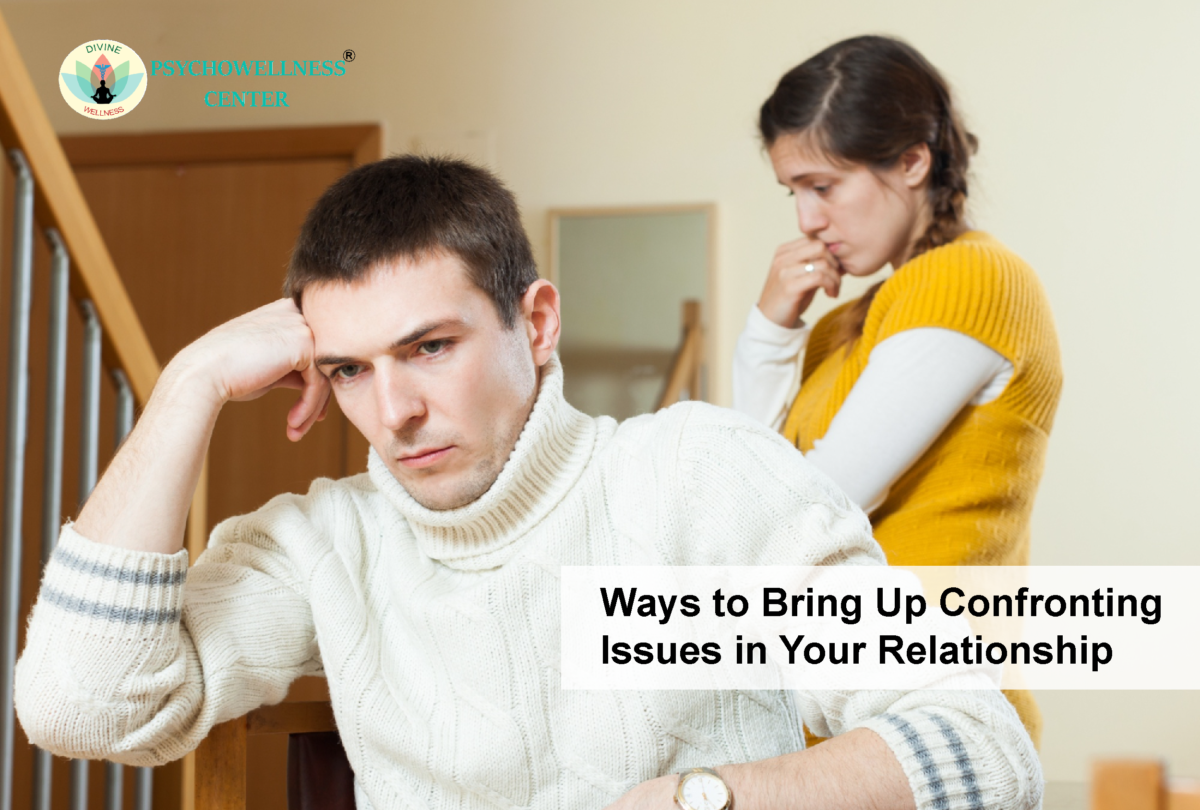
Every relationship experiences challenges. Differences in opinions, unmet expectations, communication gaps, and emotional misunderstandings are natural parts of any partnership. However, what often determines the health and longevity of a relationship is not the absence of conflict but how partners address and resolve issues. Many individuals avoid difficult conversations because they fear rejection, arguments, or hurting their partner’s feelings. Unfortunately, avoiding important discussions can lead to resentment, emotional distance, and unresolved tension.
Learning how to bring up sensitive issues constructively and respectfully can strengthen trust, intimacy, and mutual understanding. Seeking guidance from a relationship psychologist in Delhi NCR can also help couples develop healthier communication patterns and navigate conflicts more effectively.
Why People Avoid Confronting Relationship Issues
Many individuals struggle to address concerns because they worry about creating conflict. Others may fear being judged, misunderstood, or abandoned. Past relationship experiences, family dynamics, anxiety, depression, trauma, and attachment styles can influence how comfortable a person feels discussing difficult topics.
When issues are repeatedly ignored, they rarely disappear on their own. Instead, they often grow into larger problems that affect emotional connection and relationship satisfaction.
Choose the Right Time and Place
A key component of effective communication is timing. Bringing up sensitive issues during a stressful moment, while one partner is busy, tired, or distracted, may increase the likelihood of misunderstanding and defensiveness.
Instead, choose a calm and private environment where both partners can focus on the conversation without interruptions. A thoughtful discussion is more productive when both individuals feel emotionally available and prepared to listen.
Start with Your Feelings Rather Than Accusations
One of the most effective communication strategies is using “I” statements instead of blame-focused language.
For example:
- I feel disconnected when we don’t spend quality time together, and I genuinely feel hurt when my problems are ignored or overlooked. These situations make me feel emotionally distant and unsupported in our relationship.
Avoid statements such as:
- “You never care about me.”
- “You always ignore my feelings.”
Expressing emotions rather than assigning blame encourages openness and reduces defensiveness. A skilled relationship counselor near me often teaches couples these communication techniques to improve understanding and empathy.
Be Clear and Specific
Vague complaints can leave your partner confused about what is actually bothering you. Instead of discussing every past mistake, focus on the specific issue that needs attention.
For example, rather than saying, “Everything is wrong in our relationship,” try explaining the particular behavior or situation that concerns you.
Specific communication allows both partners to work toward practical solutions rather than becoming overwhelmed by generalized criticism.
Listen as Much as You Speak
Healthy communication involves both expressing concerns and actively listening. During difficult conversations, many people focus solely on defending their position rather than understanding their partner’s perspective.
Active listening includes:
- Maintaining eye contact
- Avoiding interruptions
- Asking clarifying questions
- Reflecting back what you hear
When both partners feel heard and validated, they become more willing to cooperate and find common ground.
Focus on Solving the Problem Together
Relationship discussions should not be about determining who is right or wrong. Instead, approach the issue as a team working toward a shared goal.
Ask questions such as:
- I believe we can work through this together, and I’d love for us to talk about what we can do to improve the situation. I’m interested in finding ways that help both of us feel more supported, understood, and connected in our relationship.
This collaborative mindset shifts the focus from conflict to problem-solving and strengthens the partnership.
Avoid Bringing Up Multiple Issues at Once
When discussing a concern, stick to one topic at a time. Bringing up several unrelated complaints can overwhelm your partner and derail the conversation.
Addressing issues individually helps maintain clarity and increases the likelihood of reaching a productive resolution.
Couples who struggle with recurring conflicts may benefit from guidance provided through relationship counselling in Delhi, where professionals help partners identify and address underlying patterns that contribute to repeated disagreements.
Manage Emotional Reactions
Strong emotions are natural during difficult conversations. However, yelling, name-calling, sarcasm, or criticism can damage trust and escalate conflict.
If emotions become overwhelming, taking a brief pause and returning to the conversation later can be helpful. The goal is not to avoid the discussion but to ensure it remains respectful and productive.
Emotional regulation allows both partners to communicate more effectively and maintain mutual respect even during disagreements.
Acknowledge Positive Intentions
Even when addressing concerns, it is important to recognize your partner’s positive qualities and efforts. People are often more receptive to feedback when they feel appreciated rather than attacked.
For example:
- I understand that our relationship and our connection matter to you, and that’s why I wanted to have this conversation. I truly appreciate everything you do and the efforts you make, but I also feel that prioritizing quality time and supporting each other emotionally is something we can work on together to strengthen our relationship.
Balancing concerns with appreciation helps create a supportive atmosphere for honest communication.
Be Open to Professional Support
Some relationship issues are deeply rooted and may require professional guidance. Communication difficulties, trust concerns, recurring conflicts, emotional disconnection, and major life transitions can all benefit from counseling.
Working with the best relationship counselor in Delhi can help couples gain valuable insights, improve communication skills, and develop healthier ways of managing disagreements.
Professional counseling provides a safe and neutral environment where both partners can express themselves openly while learning practical strategies to strengthen their relationship.
Building Stronger Relationships Through Honest Conversations
Confronting issues in a relationship does not have to be frightening or destructive. When approached with empathy, honesty, patience, and respect, difficult conversations can become opportunities for growth and deeper connection.
Whether the concern involves communication, trust, intimacy, finances, or life goals, addressing issues early can prevent misunderstandings from escalating into larger conflicts. Seeking support from a qualified relationship counselor in Delhi can further help couples develop healthier communication habits and build stronger emotional bonds.
Conclusion
Healthy relationships thrive when both partners feel safe discussing concerns openly and respectfully. Confronting issues is not about criticizing or blaming one another; it is about understanding each other’s needs and working together toward solutions. Honest communication fosters trust, emotional intimacy, and long-term relationship satisfaction.
For couples seeking professional support, Psychowellness Center, located in Janakpuri and Dwarka Sector 17, Delhi, offers comprehensive relationship counseling services through experienced mental health professionals. Individuals can contact the center at 011-47039812 or 7827208707 for guidance and support.
Additionally, TalktoAngel provides convenient online counseling services, connecting individuals and couples with qualified psychologists and relationship experts. Together, Psychowellness Center and TalktoAngel help couples strengthen communication, resolve conflicts, and build healthier, more fulfilling relationships.
Contributions: Dr. R.K. Suri, Clinical Psychologist, and Ms. Tanu Sangwan, Counselling Psychologist
References
https://www.psychowellnesscenter.com/Blog/know-why-your-partner-don%C2%92t-want-to-discuss-problems/
https://www.psychowellnesscenter.com/Blog/strategies-to-overcome-trust-in-relationship/
https://www.psychowellnesscenter.com/Blog/giving-importance-to-resolving-marital-conflict/
Gottman, J. M., & Silver, N. (2015). The seven principles for making marriage work. Harmony Books.
Johnson, S. M. (2019). Attachment theory in practice: Emotionally focused therapy (EFT) with individuals, couples, and families. Guilford Press.
Markman, H. J., Stanley, S. M., & Blumberg, S. L. (2010). Fighting for your marriage. Jossey-Bass.
Tatkin, S. (2016). Wired for love: How understanding your partner’s brain and attachment style can help you defuse conflict and build a secure relationship. New Harbinger Publications.
Wilmot, W. W., & Hocker, J. L. (2017). Interpersonal conflict (10th ed.). McGraw-Hill Education.