
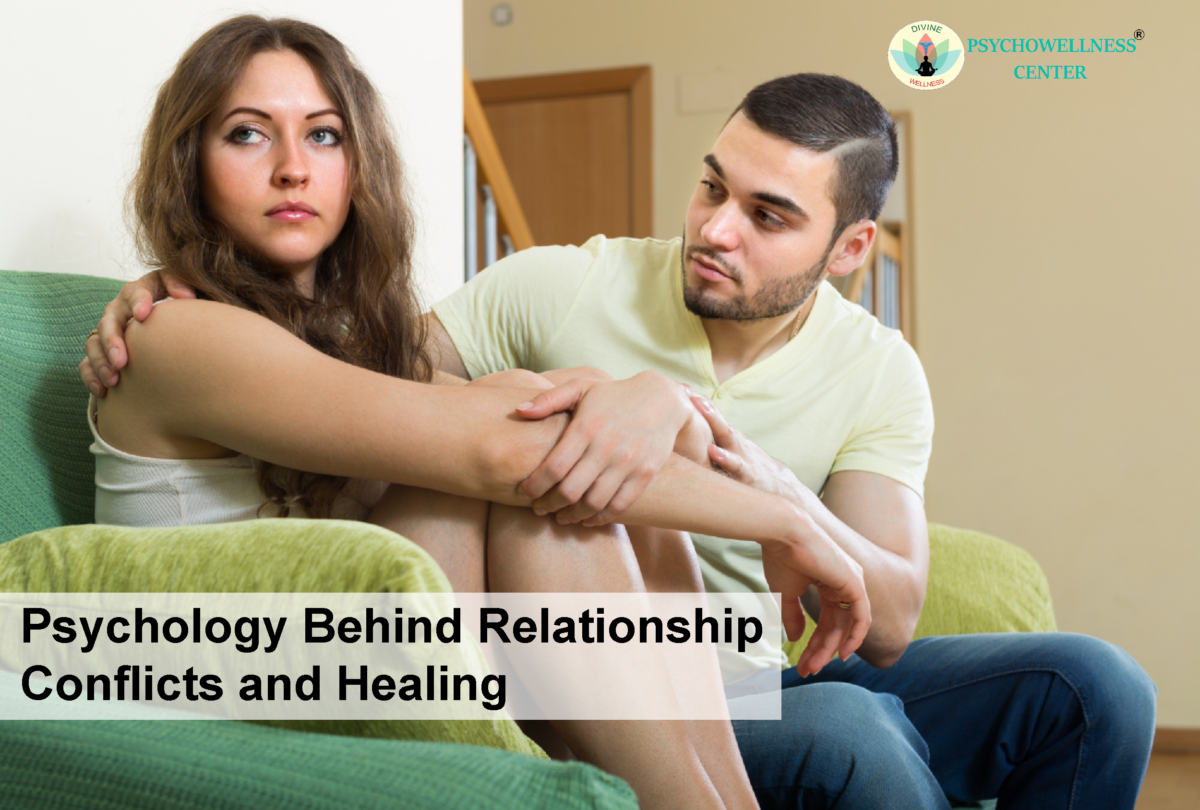
Human relationships are deeply emotional connections that influence mental well-being, personal growth, and life satisfaction. While love and companionship bring happiness, relationships can also become a source of stress, confusion, and emotional pain. Disagreements, misunderstandings, and emotional distance are common experiences in romantic partnerships. However, conflicts do not necessarily indicate the end of a relationship. In psychology, conflicts are often viewed as opportunities to understand deeper emotional needs and improve emotional intimacy.
Understanding the psychological reasons behind relationship struggles can help couples heal emotional wounds, rebuild trust, and strengthen their connection. Healthy relationships are not conflict-free; rather, they are built on emotional awareness, communication, empathy, and mutual respect.
Understanding the Root Causes of Relationship Conflicts
Relationship disputes are rarely the result of a single incident. Most disagreements are linked to unmet emotional needs, unresolved insecurities, personal expectations, or differences in communication styles. The true problem frequently lurks beneath the surface of arguments between couples over money, domestic duties, professional priorities, children, or quality time spent together. The true problem frequently lurks beneath the surface of arguments between couples over money, domestic duties, professional priorities, children, or quality time spent together.
According to psychologists, early experiences have a big impact on relationships in adulthood. Attachment theory suggests that early emotional bonding with caregivers shapes how people behave in romantic relationships later in life. Individuals with secure attachment styles generally feel comfortable expressing emotions and trusting others. In contrast, those with anxious or avoidant attachment styles may struggle with fear of rejection, emotional withdrawal, or dependency.
For instance, one partner may constantly seek reassurance and affection, while the other may avoid emotional conversations during stressful situations. These opposite coping mechanisms can create repeated cycles of misunderstanding and frustration.
The Emotional Impact of Poor Communication
Communication problems are one of the leading causes of relationship dissatisfaction. Many couples love each other deeply but fail to express their emotions in healthy ways. Miscommunication can make partners feel ignored, criticized, or emotionally disconnected.
When emotions become intense, people often react defensively instead of listening empathetically. Criticism, blame, sarcasm, silent treatment, and emotional withdrawal gradually weaken trust within the relationship. Over time, unresolved emotional tension can lead to resentment and loneliness.
Healthy communication involves more than speaking; it also requires active listening, emotional validation, patience, and empathy. Couples who learn to communicate openly are better equipped to resolve disagreements constructively.
Seeking help from a skilled Relationship counsellor can provide couples with practical communication tools and emotional guidance to navigate difficult conversations more effectively.
Psychological Triggers Behind Conflicts
Many conflicts in relationships are triggered by emotional vulnerabilities rather than present situations alone. Past trauma, betrayal, low self-esteem, abandonment fears, and unresolved emotional pain often influence reactions during disagreements.
For example, a minor misunderstanding may feel emotionally threatening to someone who has experienced rejection in previous relationships. Similarly, a person raised in a highly critical environment may become overly defensive during arguments.
Stress from work, financial difficulties, social pressure, or mental health concerns can also intensify emotional reactions within relationships. Anxiety, depression, and chronic stress often reduce emotional control and increase irritability, making conflict resolution more challenging.
In some relationships, individuals suppress emotions to avoid confrontation. However, avoiding difficult conversations may create emotional distance over time. Suppressed emotions eventually resurface through anger, frustration, or passive-aggressive behavior.
The Importance of Emotional Safety
One of the most essential foundations of a healthy relationship is emotional safety. Emotional safety means feeling accepted, respected, and understood without fear of judgment or humiliation.
When emotional safety is absent, partners may hesitate to share vulnerable thoughts and feelings. This builds emotional barriers that hinder the full development of intimacy and trust. Couples begin to feel disconnected, even when they spend time together physically.
It takes deliberate effort on the part of both spouses to resolve relationship disputes. Small actions such as listening attentively, apologizing sincerely, expressing appreciation, and showing empathy can significantly improve emotional closeness.
Professional support from the best Relationship counsellor in India can help couples identify unhealthy emotional patterns and rebuild emotional security through therapeutic interventions and guided discussions.
Conflict Resolution and Healing
Healing relationship conflicts requires conscious effort from both partners. It is not about winning arguments but understanding each other’s emotional experiences. Healthy conflict resolution focuses on collaboration rather than blame.
Some effective psychological strategies for healing include:
1. Practicing Active Listening
Active listening means giving full attention to a partner without interrupting or preparing defensive responses. Feeling heard and understood reduces emotional tension significantly.
2. Emotional Regulation
Managing emotional reactions during disagreements is crucial. Taking breaks, deep breathing, and calming techniques can prevent hurtful behavior during heated arguments.
3. Developing Empathy
Empathy helps partners understand each other’s emotions from a compassionate perspective. Instead of assuming negative intentions, empathetic responses encourage emotional connection.
4. Rebuilding Trust
Trust is rebuilt through consistency, honesty, accountability, and emotional transparency. Healing after betrayal or emotional hurt requires patience and commitment from both individuals.
5. Addressing Past Emotional Wounds
Sometimes unresolved trauma or childhood experiences influence present relationship behaviors. Therapy can help individuals process emotional pain and develop healthier coping mechanisms.
Seeking support from the best Relationship counsellor in Delhi can help couples gain deeper psychological insight into recurring conflicts and create healthier emotional patterns.
The Role of Relationship Counselling
Many couples hesitate to seek professional help because they fear judgment or believe therapy is only for severe relationship problems. In reality, counselling can benefit relationships at any stage.
A trained relationship counsellor in Delhi can help couples improve communication, manage emotional stress, resolve misunderstandings, and strengthen emotional intimacy. Therapy provides a safe environment where both partners can express themselves openly while learning healthier ways to interact.
Different therapeutic approaches such as Cognitive Behavioral Therapy (CBT), Emotionally Focused Therapy (EFT), and mindfulness-based interventions are commonly used to improve relationship satisfaction and emotional understanding.
Moving Toward Emotional Healing
Healing in relationships does not happen overnight. It requires self-awareness, accountability, patience, and emotional effort. Both partners must be willing to understand each other’s emotional needs and work together toward healthier communication.
Forgiveness also plays an important role in emotional healing. Forgiveness does not mean ignoring harmful behavior; rather, it involves letting go of resentment to create space for emotional growth and peace.
Relationships flourish when individuals feel emotionally valued, respected, and supported. By understanding the psychology behind conflicts, couples can transform painful experiences into opportunities for emotional growth and a stronger connection.
Conclusion
Relationship conflicts are a natural part of human connection, but unresolved emotional patterns can damage trust and intimacy over time. Understanding psychological triggers, communication patterns, emotional needs, and attachment styles can help couples navigate challenges more effectively. With empathy, patience, emotional awareness, and professional relationship counselling, couples can rebuild emotional safety and strengthen their bond.
For professional support and guidance, individuals and couples can seek counselling services in Janakpuri, Delhi and Dwarka Sector 17, Delhi | Contact Numbers: 011-47039812 / 7827208707.
Contributions: Dr. R.K. Suri, Clinical Psychologist, and Ms. Tanu Sangwan, Counselling Psychologist
References
https://www.psychowellnesscenter.com/Blog/conflict-is-a-feature-in-a-relationship-not-a-flaw/
https://www.psychowellnesscenter.com/Blog/psychological-remedies-for-conflicting-values/
https://www.psychowellnesscenter.com/Blog/how-childhood-trauma-shows-up-during-marital-conflict/
https://www.psychowellnesscenter.com/Blog/best-relationship-psychologist-in-north-delhi/
Bowlby, J. (1988). A secure base: Parent-child attachment and healthy human development. Basic Books.
Gottman, J. M., & Silver, N. (1999). The seven principles for making marriage work. Crown Publishers.
Johnson, S. M. (2008). Hold me tight: Seven conversations for a lifetime of love. Little, Brown Spark.
Sue Johnson, S. M. (2019). Attachment theory in practice: Emotionally focused therapy (EFT) with individuals, couples, and families. Guilford Press.
Tatkin, S. (2012). Wired for love: How understanding your partner’s brain and attachment style can help you defuse conflict and build a secure relationship. New Harbinger Publications.