
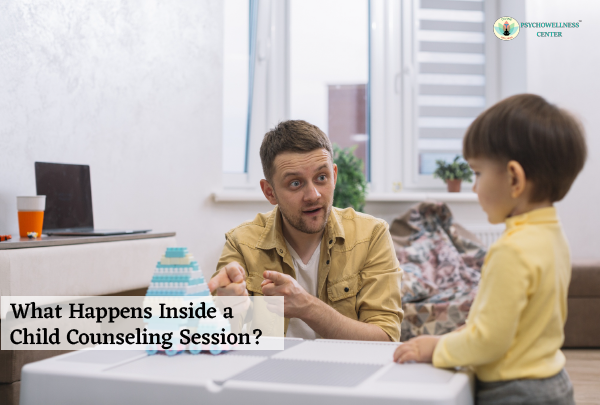
Children experience a wide range of emotional and behavioural challenges, yet they often lack the vocabulary or confidence to express what they feel. Counselling provides a safe, structured space where a child and adolescent client can explore thoughts, emotions, and experiences without fear of judgment. Understanding what happens inside a child counselling session can help caregivers feel more informed and reassured about the process.
Understanding Child Counselling
Child counselling is a therapeutic process designed specifically for young individuals to address emotional, behavioural, and developmental concerns. Unlike adult therapy, sessions are often interactive and may include play, art, storytelling, and role-play to help children express themselves.
Children may seek support for issues such as bullying, test anxiety, or body image concerns, all of which can impact their confidence and daily functioning. Therapy focuses on building trust and creating a supportive environment where the child feels heard.
The First Session: Building Comfort and Trust
The initial session is crucial in establishing rapport between the child and the therapist. The therapist may engage the child in simple activities or conversations to help them feel at ease.
Parents are often involved at this stage to provide background information about concerns such as conduct issues, academic struggles, or emotional changes. The therapist gently observes the child’s behaviour, communication style, and emotional responses to understand their needs.
Assessment and Understanding the Child’s World
After rapport is built, the therapist conducts a detailed assessment to understand the child’s emotional and psychological landscape. This may include exploring:
- Family dynamics and parenting styles
- School-related challenges like specific learning difficulties
- Peer interactions and experiences of bullying
- Emotional concerns such as grief and loss
The goal is not to label the child but to understand their experiences holistically and identify areas where support is needed.
Therapeutic Techniques Used in Sessions
- Play Therapy:- Play is a child’s natural language. Through toys, games, and creative activities, children express feelings they may not be able to verbalise. This is particularly helpful for younger children or those dealing with autism or communication challenges.
- Cognitive and Behavioural Interventions:- Therapists use age-appropriate strategies to help children recognise and manage thoughts and behaviours. This is effective for concerns like test anxiety or behavioural conduct problems.
- Emotional Expression and Processing:- Children are guided to identify and express emotions related to experiences such as grief and loss or difficult life events. This helps in building emotional awareness and coping skills.
- Trauma-Informed Care:- For children experiencing post-traumatic stress disorder (PTSD), therapy focuses on creating a sense of safety and gradually processing traumatic experiences in a supportive manner.
- Addressing Developmental and Identity Concerns:- As children grow, they begin to develop a sense of identity and self-worth. Some may struggle with identity crises, especially during adolescence, where questions about self, belonging, and future direction arise.
Additionally, concerns such as body image or confusion about career issues can begin early, influenced by social expectations and peer comparison. Counselling helps children navigate these concerns with clarity and confidence.
Role of Parents in Child Counselling
Parents play an integral role in the success of therapy. Therapists often work collaboratively with caregivers to:
- Improve communication within the family
- Address challenges related to parenting
Parental involvement ensures consistency between therapy sessions and the child’s everyday environment, enhancing long-term outcomes.
Progress and Outcomes of Counselling
Child counselling is a gradual process, and progress may vary depending on the child’s needs. Over time, children often show:
- Improved emotional regulation
- Better coping skills
- Enhanced social interactions
- Increased self-confidence
Addressing issues such as specific learning difficulties or emotional challenges early can significantly improve a child’s developmental trajectory.
Breaking the Stigma Around Child Therapy
Despite growing awareness, there is still some hesitation among families about seeking counselling for children. Many fear labelling or judgment. However, therapy is not about labelling—it is about understanding and supporting the child’s growth.
Seeking help early for concerns like bullying, emotional distress, or academic struggles can prevent long-term difficulties and promote healthier development
Conclusion
Child counselling sessions help children understand and manage their emotions, behaviours, and everyday challenges in a healthy and supportive environment. Whether a child is facing anxiety, behavioural issues, learning difficulties, or emotional stress, therapy can support their overall emotional and psychological development.
Families looking for a kids therapist near me, child psychologist near me, child counselling near me, or the best Child psychologist in Janakpuri can access professional mental health support through TalktoAngel’s online counselling services and specialised child therapy at Psychowellness Center. With centres in Dwarka and Janakpuri, the clinic offers expert guidance for children facing emotional, behavioural, developmental, and learning-related concerns. For appointments and professional assistance, contact +91 78272 08707 or +91 11 4707 9079.
To learn more about play therapy, child development, and learning disabilities, parents can also explore informative videos on the Psychowellness Center YouTube Channel.
Contributions: Dr. R.K. Suri, Clinical Psychologist, and Ms. Harshit , Counselling Psychologist
References
- Landreth, G. L. (2012). Play therapy: The art of the relationship (3rd ed.). Routledge.
- American Psychiatric Association. (2013). Diagnostic and statistical manual of mental disorders (5th ed.). American Psychiatric Publishing.
- Cohen, J. A., Mannarino, A. P., & Deblinger, E. (2017). Trauma-focused CBT for children and adolescents: Treatment applications. Guilford Press.
- Mash, E. J., & Barkley, R. A. (2014). Child psychopathology (3rd ed.). Guilford Press.
- https://www.psychowellnesscenter.com/Blog/supporting-child-growth-through-child-counselling-near-me/