
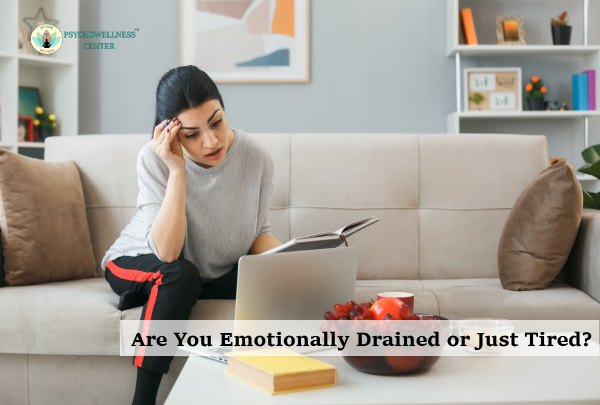
In today’s fast-paced world, feeling exhausted has become almost normal. But not every form of weariness is the same. Sometimes, what we label as “tiredness” runs much deeper; it may actually be emotional fatigue. Understanding the difference between being physically tired and emotionally drained is essential for maintaining overall well-being and preventing long-term mental health concerns such as anxiety, depression, and stress.
Understanding Physical Tiredness vs Emotional Drain
Physical tiredness usually comes after exertion, long work hours, lack of sleep, or physical activity. It tends to improve with rest. Emotional exhaustion, however, is more persistent. It often stems from prolonged emotional demands, unresolved inner conflicts, or difficult life situations.
Emotional fatigue can leave you feeling disconnected, overwhelmed, and mentally depleted, even after adequate rest. It may also impact your ability to function effectively in daily life, leading to issues like procrastination and reduced productivity.
Signs You May Be Emotionally Drained
Recognising emotional exhaustion early can help prevent more serious conditions. Here are some common indicators:
1. Constant Mental Fatigue
Even simple tasks feel overwhelming. You may struggle with focus, decision-making, and maintaining emotion control.
2. Increased Irritability or Anger
You may notice heightened sensitivity or frequent bursts of anger, often triggered by minor issues.
3. Feeling Disconnected
A sense of loneliness or emotional numbness can arise, even when surrounded by others.
4. Lack of Motivation
You may lose interest in activities you once enjoyed, reflecting low drive and difficulty engaging in self-improvement efforts.
5. Overthinking and Worry
Persistent worry patterns may point toward conditions like Generalised anxiety disorder (GAD) or even panic disorder in severe cases.
What Causes Emotional Exhaustion?
Emotional fatigue doesn’t happen overnight. It accumulates over time as a result of several factors:
- Chronic Stress: Long-term exposure to high-pressure environments can drain emotional reserves.
- Unresolved Trauma or Grief: Experiences related to grief and loss can weigh heavily if not processed.
- Relationship Challenges: Situations involving emotional abuse or unhealthy dependence can be particularly draining.
- Life Transitions: Events like a midlife crisis can trigger deep emotional questioning and instability.
- Mental Health Conditions: Disorders such as OCD or ongoing anxiety patterns contribute significantly to emotional fatigue.
Emotional Drain vs Burnout: Are They the Same?
While often used interchangeably, emotional exhaustion is a key component of burnout but not identical. Burnout typically includes reduced performance, cynicism, and detachment, often linked to work environments. Emotional drain, however, can arise from any area of life, relationships, personal struggles, or internal conflicts.
The Role of Thoughts and Behaviour
Our thought patterns significantly influence emotional energy. Negative self-talk, perfectionism, and poor coping strategies can worsen exhaustion. For instance:
- Low self esteem can make individuals more vulnerable to emotional fatigue.
- Lack of effective time management increases stress and feelings of being overwhelmed.
- Poor coping mechanisms may escalate into avoidance behaviors, worsening mental strain.
Practical Strategies to Restore Emotional Energy
Recovery from emotional exhaustion requires intentional effort. Here are some effective strategies:
1. Practice Mindful Awareness
Engaging in mindfulness helps you stay present and reduces mental clutter. It allows you to observe emotions without becoming overwhelmed.
2. Set Realistic Goals
Incorporate structured goal setting to create a sense of direction and control in your life.
3. Improve Emotional Regulation
Learning emotional control techniques, such as deep breathing or cognitive reframing, can help manage intense feelings.
4. Build Healthy Boundaries
Reduce your exposure to toxic situations and interactions to safeguard your emotional space.
5. Prioritize Rest and Recovery
Quality sleep, relaxation, and breaks are essential for emotional restoration.
When to Seek Professional Help
If emotional exhaustion persists, seeking professional guidance is crucial. A trained counselling psychologist in Delhi can help identify underlying issues and develop personalised coping strategies. Individuals experiencing intense distress, including symptoms of depression or chronic anxiety, may benefit from structured therapy.
For those searching for support, options like Relationship Counselling near me, Family Counselling near me, or even consulting a marriage counselor delhi can be helpful, especially when emotional strain is linked to interpersonal dynamics. Accessing the Best Psychologists in Delhi or a qualified psychologist delhi ncr ensures professional and evidence-based care. Couples facing relationship challenges may also benefit from consulting the best marriage counsellor in Delhi NCR.
Conclusion
Understanding whether you are emotionally drained or simply tired is the first step toward healing. Emotional exhaustion, if ignored, can evolve into more serious mental health conditions. Recognising the signs, addressing root causes, and adopting healthier coping mechanisms are essential steps toward recovery.
Seeking timely support can make a significant difference. Psychowellness Center offers professional offline counselling services with experienced therapists who specialise in a wide range of mental health concerns, including stress, anxiety, relationship challenges, and emotional regulation. In addition, TalktoAngel, an online counselling platform, provides accessible and confidential therapy sessions, connecting individuals with some of the best psychologists in India. Their services include individual counselling, couple therapy, and mental health support using evidence-based approaches such as CBT, DBT, and mindfulness-based techniques.
Taking care of your mental well-being is no luxury, it is a necessity. With the right support and awareness, it is possible to restore balance, build resilience, and lead a more fulfilling life.
Contributions: Dr. R.K. Suri, Clinical Psychologist, and Mr. Harshit Vaid, Counselling Psychologist
References
American Psychological Association. (2020). Publication manual of the American Psychological Association (7th ed.).
Maslach, C., & Leiter, M. P. (2016). Understanding the burnout experience: Recent research and its implications. World Psychiatry, 15(2), 103–111.
Hofmann, S. G., Sawyer, A. T., Witt, A. A., & Oh, D. (2010). The effect of mindfulness-based therapy on anxiety and depression: A meta-analytic review. Journal of Consulting and Clinical Psychology, 78(2), 169–183.
Beck, A. T. (2011). Cognitive therapy of depression. Guilford Press.
Selye, H. (1976). The stress of life. McGraw-Hill.