
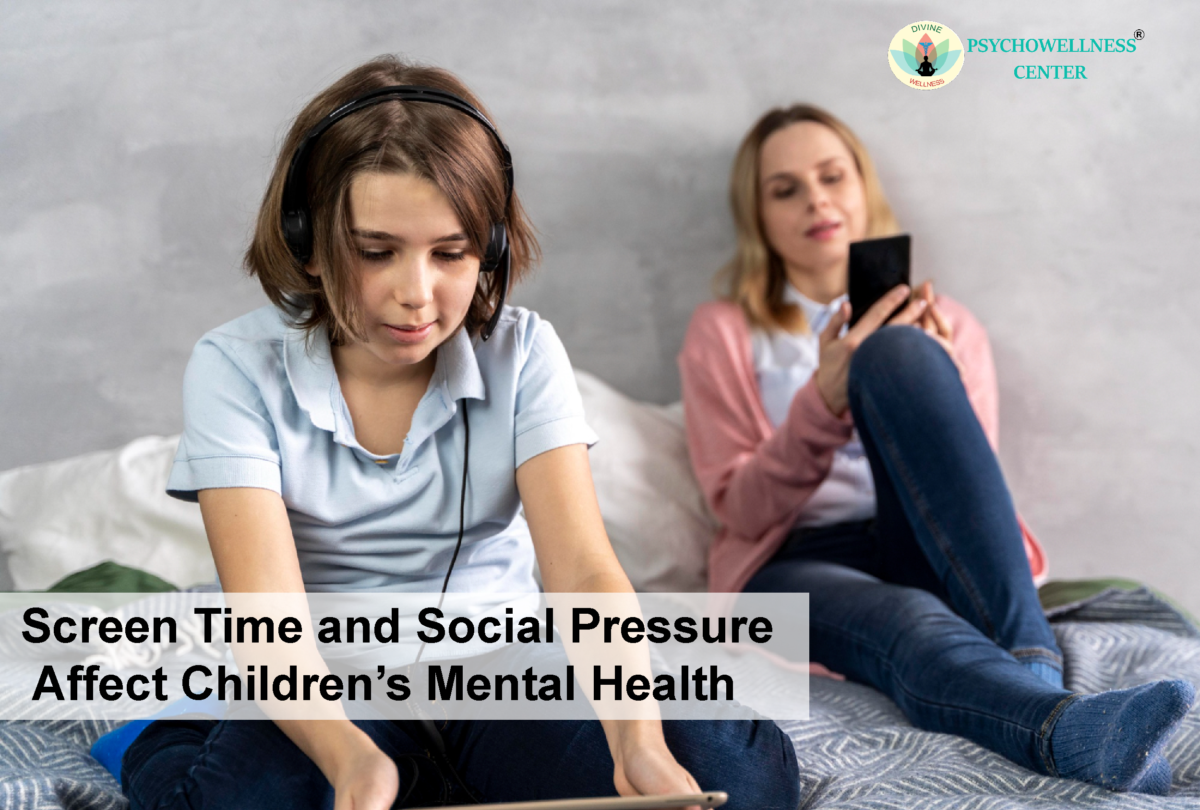
In today’s digital world, children are growing up surrounded by smartphones, tablets, social media, online games, and constant digital interaction. While technology has made learning and communication easier, excessive screen exposure and rising social pressure are creating serious concerns for children’s mental health. Parents, teachers, and mental health professionals are increasingly noticing emotional difficulties, behavioral changes, anxiety, loneliness, and low self-esteem among children and adolescents.
Modern childhood is very different from previous generations. Outdoor playtime has reduced, face-to-face conversations have become limited, and online validation often shapes self-worth. Many children struggle to balance academic demands, peer expectations, and digital lifestyles. This combination can deeply affect emotional well-being, confidence, sleep patterns, and social development.
Research shows that excessive screen time is associated with depression, anxiety, reduced emotional stability, sleep disturbances, and poor psychological well-being in children and adolescents.
Understanding the Impact of Screen Time
Screen time refers to the amount of time spent using electronic devices such as televisions, smartphones, gaming, tablets, and computers. Educational use can be beneficial when monitored properly, but uncontrolled or excessive use may negatively affect mental and emotional health.
Children often spend several hours daily scrolling through videos, social media feeds, or online games. Over time, this can overstimulate the brain and reduce opportunities for healthy emotional development. Studies have linked high screen usage with lower self-control, emotional instability, and difficulty maintaining social relationships.
One major concern is sleep disruption. The blue light emitted from screens interferes with melatonin production, making it difficult for children to sleep properly. Poor sleep can lead to irritability, reduced concentration, emotional outbursts, and academic struggles.
Social Media and Emotional Pressure
Social media platforms create an environment where children constantly compare themselves with others. They may compare appearance, academic performance, popularity, lifestyle, or achievements with unrealistic online portrayals. This comparison culture often leads to insecurity, low confidence, and anxiety. Children may feel pressured to look perfect, gain more followers, receive likes, or fit into peer expectations. When validation depends on social media approval, emotional stability becomes fragile. Negative comments, online bullying, or exclusion from online groups can significantly affect self-esteem.
Many children also develop a fear of missing out (FOMO). Seeing friends attend events or engage in activities online can create loneliness and emotional distress. Over time, children may become emotionally dependent on digital interactions instead of building healthy real-world relationships. A skilled child counselor can help children understand emotional triggers, improve self-esteem, and develop healthier coping strategies before these challenges become severe.
Academic and Peer Pressure
Apart from digital influence, children today face intense academic competition and peer pressure. Many students are expected to perform exceptionally well in studies, extracurricular activities, and social life simultaneously. Constant pressure to succeed may create stress, anxiety, and emotional exhaustion.
Children often fear disappointing parents or teachers. Some become highly self-critical and develop perfectionist tendencies. Others may withdraw socially, become irritable, or lose interest in activities they once enjoyed. Peer pressure can also influence behavior. Children may feel forced to follow trends, behave in certain ways, or participate in unhealthy online challenges to fit in socially. This pressure can impact identity formation and emotional confidence. Parents should recognize early warning signs such as mood swings, aggression, social withdrawal, declining academic performance, excessive device use, or frequent emotional breakdowns.
Psychological Effects on Children
Excessive screen use and social pressure can affect children differently depending on age, personality, and family environment. Some common mental health effects include:
- Anxiety and nervousness
- Depression or sadness
- Low self-confidence
- Anger and irritability
- Attention difficulties
- Emotional dependency on devices
- Social isolation
- Sleep problems
- Reduced communication skills
- Poor emotional control
Research suggests that children with higher screen exposure are more likely to experience anxiety, depression, and behavioral difficulties. A qualified child psychologist can assess emotional and behavioral concerns in children and guide families toward healthier routines and coping mechanisms.
The Role of Parents
Parents play a critical role in protecting children’s mental health in the digital age. Instead of banning technology completely, families should focus on creating balanced and healthy digital habits. Some helpful strategies include:
- Set Healthy Screen Limits:- Establish fixed times for device usage. Encourage children to avoid screens during meals, family conversations, and before bedtime.
- Encourage Open Communication:- Children should feel comfortable discussing online experiences, fears, or emotional struggles without fear of punishment or criticism.
- Promote Outdoor Activities:- Physical play, sports, creative hobbies, and social interaction help improve emotional well-being and reduce screen dependency.
- Be a Positive Role Model:- Children learn by observing adults. Parents who maintain healthy screen habits encourage similar behavior in their children.
- Focus on Emotional Support:- Instead of only focusing on academic success, parents should appreciate effort, emotional expression, creativity, and individuality.Families seeking guidance often consult the best child counsellor in Dwarka to understand emotional concerns and improve parent-child communication.
Schools and Mental Health Awareness
Schools also play an essential role in supporting children’s emotional health. Teachers and school counselors can help students manage stress, peer pressure, and online challenges more effectively.Mental health awareness programs, emotional learning activities, and anti-bullying campaigns can create safer school environments. Children should be taught emotional regulation, empathy, healthy communication, and responsible digital behavior from an early age.
Access to professional support is equally important. Consulting the best child counsellor in Delhi can help families address emotional, social, and behavioral concerns before they intensify.
Building Emotional Resilience in Children
Children need emotional resilience to handle stress, criticism, and social pressure effectively. Resilience helps children recover from setbacks and adapt to challenges in healthier ways.
Parents and caregivers can build resilience by:
- Encouraging problem-solving skills
- Teaching emotional expression
- Praising effort rather than perfection
- Supporting independence
- Spending quality family time
- Promoting mindfulness and relaxation techniques
When children feel emotionally secure and supported, they are less likely to depend excessively on digital validation. A professional child counsellor in Janakpuri can also guide children in developing confidence, emotional balance, and stronger coping skills.
Conclusion
Technology is now a permanent part of children’s lives, but balance is essential. Excessive screen time and growing social pressure can significantly affect emotional well-being, relationships, academic performance, and self-esteem. Parents, schools, and mental health professionals must work together to create healthier environments where children feel emotionally safe, understood, and supported.
Early intervention, open communication, healthy routines, and emotional guidance can help children develop a positive relationship with technology while maintaining strong mental health. Seeking support from professionals when needed can make a lasting difference in a child’s emotional development and future well-being.
Psychowellness Center provides professional support for children facing emotional, behavioral, academic, and social challenges through experienced mental health experts. Janakpuri, Delhi and Dwarka Sector 17, Delhi | Contact Numbers: 011-47039812 / 7827208707.
Contributions: Dr. R.K. Suri, Clinical Psychologist, and Mr.Harshit Vaid , Counselling Psychologist
References
- Domingues-Montanari, S. (2017). Clinical and psychological effects of excessive screen time on children. Journal of Paediatrics and Child Health, 53(4), 333–338. https://doi.org/10.1111/jpc.13462
- Twenge, J. M., & Campbell, W. K. (2018). Associations between screen time and lower psychological well-being among children and adolescents: Evidence from a population-based study. Preventive Medicine Reports, 12, 271–283. https://doi.org/10.1016/j.pmedr.2018.10.003
- Paulus, F. W., Ohmann, S., Möhler, E., & Plener, P. L. (2023). Media screen time use and mental health in school aged children during the pandemic. BMC Psychology, 11(1). https://doi.org/10.1186/s40359-023-01240-0
- Madigan, S., McArthur, B. A., Anhorn, C., Eirich, R., & Christakis, D. A. (2022). Screen time and externalizing and internalizing behavior problems in children 12 years or younger. JAMA Psychiatry, 79(5), 393–405. https://doi.org/10.1001/jamapsychiatry.2022.0155
- Noetel, M., et al. (2025). Screen use and socioemotional problems in children: A meta-analysis of longitudinal studies. Psychological Bulletin. Retrieved from https://www.apa.org/monitor/2025/06/children-screen-time-emotional-problems (reddit.com)